Older homes hold a special charm with their unique architectural details, timeless designs, and character-rich aesthetics. However, they often come with their own set of challenges, particularly when it comes to energy efficiency. One of the most significant issues is inadequate insulation, leading to higher energy bills and uncomfortable indoor temperatures.
For homeowners looking to modernize their older homes without compromising their historical integrity, blown-in fiberglass insulation is an ideal solution. This method provides efficient insulation while being minimally invasive, making it a perfect choice for homes with existing walls, tight spaces, or historical significance.
What Is Blown-In Fiberglass Insulation?
Definition
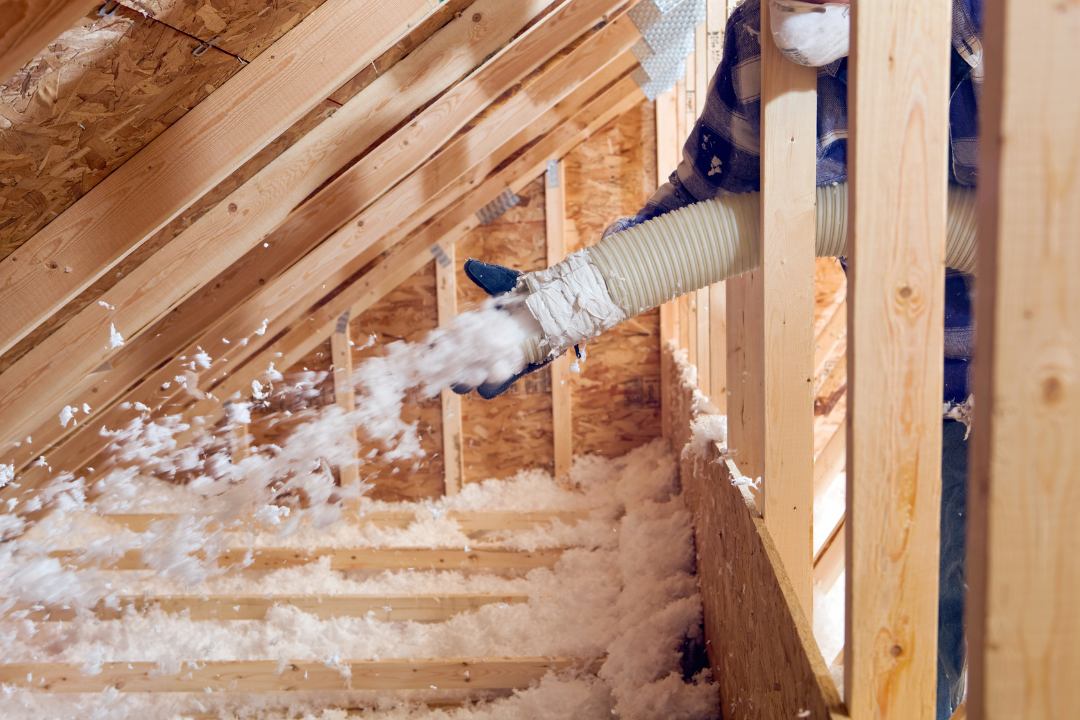
Blown-in fiberglass insulation is a type of loose-fill insulation made from fine glass fibers. It is “blown” into walls, attics, or other hard-to-reach areas using a specialized machine. Unlike traditional batt insulation, blown-in fiberglass conforms to irregular spaces, providing a seamless and efficient thermal barrier.
How It Works
During installation, a technician uses a hose to blow the insulation material into empty cavities, such as between wall studs or in attic spaces. The process fills gaps and covers hard-to-reach areas that conventional insulation might miss, ensuring maximum coverage and energy efficiency.
Why Blown-In Fiberglass Insulation Is Perfect for Older Homes
1. Minimally Invasive Installation
Older homes often have intricate designs or materials that homeowners want to preserve. With blown in Fiberglass Insulation by Epic Spray Foam, there’s no need to tear down walls or ceilings to achieve effective insulation. This method not only enhances energy efficiency but also preserves the aesthetic and structural integrity of your home. Small access holes are drilled, the insulation is blown in, and the holes are sealed, leaving your home’s structure intact.
This minimally invasive process is particularly beneficial for homes with plaster walls or other delicate finishes, ensuring that the historical charm remains undisturbed while delivering modern insulation performance.
2. Superior Coverage
Older homes frequently have irregular wall cavities, gaps, and spaces that traditional insulation materials struggle to fill. Blown-in fiberglass excels at filling these spaces, creating a consistent thermal barrier that prevents drafts and reduces heat loss.
Its ability to reach nooks and crannies makes it especially effective in older homes, which are prone to air leaks due to their age and construction style.
Benefits of Blown-In Fiberglass Insulation
1. Improved Energy Efficiency
Older homes are notorious for energy loss due to outdated or insufficient insulation. Blown-in fiberglass insulation enhances energy efficiency by sealing gaps and reducing air leakage. This helps maintain consistent indoor temperatures, leading to lower heating and cooling costs.
2. Enhanced Comfort
By reducing drafts and improving temperature regulation, blown-in fiberglass insulation creates a more comfortable living environment. Say goodbye to chilly winters and sweltering summers indoors—your home will stay cozy year-round.
3. Soundproofing Properties
The dense nature of blown-in fiberglass insulation also provides soundproofing benefits. This can be a significant advantage in older homes, which may have thin walls that allow noise to travel easily.
4. Environmentally Friendly
Many blown-in fiberglass insulation products are made from recycled materials, making them an eco-friendly choice for homeowners. By improving energy efficiency, you’ll also reduce your home’s carbon footprint.
5. Fire Resistance
Fiberglass insulation is naturally non-combustible, adding an extra layer of safety to your home. For older homes, this fire-resistant property is particularly reassuring.
How Blown-In Fiberglass Insulation Compares to Other Methods
Blown-In Fiberglass vs. Batt Insulation
- Installation: Blown-in fiberglass is ideal for irregular spaces, while batt insulation requires flat, open surfaces.
- Efficiency: Blown-in fiberglass provides better coverage and fewer gaps compared to batt insulation.
- Aesthetic Impact: Blown-in insulation is less invasive, preserving the original look of older homes.
Blown-In Fiberglass vs. Spray Foam Insulation
- Cost: Blown-in fiberglass is generally more affordable than spray foam insulation.
- Application: Spray foam provides an airtight seal but may be overkill for some areas, whereas blown-in fiberglass offers sufficient coverage for most older homes.
- Preservation: Blown-in fiberglass is less likely to alter the structural integrity of older homes compared to spray foam.
The Installation Process
Step 1: Assessment
A professional evaluates your home to identify areas that need insulation, including walls, attics, and other cavities. They also assess existing insulation to determine whether it needs replacement or augmentation.
Step 2: Preparation
Access holes are drilled into the walls or ceilings to allow the insulation hose to reach the necessary areas. Care is taken to minimize disruption to the home’s structure.
Step 3: Insulation Application
Using a specialized blower machine, fiberglass insulation is evenly distributed into the targeted areas. The technician ensures all gaps and cavities are filled for maximum efficiency.
Step 4: Sealing and Cleanup
Once the insulation is in place, the access holes are sealed, and any debris is cleaned up, leaving your home looking as good as new.
Why Choose Blown-In Fiberglass for Your Older Home
Preserving Historical Integrity
For homeowners who value the historical character of their property, blown-in fiberglass insulation is an excellent choice. Its minimally invasive installation ensures that delicate finishes, moldings, and architectural details remain untouched.
Affordable and Effective
Compared to other insulation options, blown-in fiberglass offers a cost-effective solution without compromising performance. It’s an investment that pays off quickly in the form of lower energy bills and improved comfort.
Conclusion
Blown-in fiberglass insulation is a perfect solution for older homes, offering superior energy efficiency, minimal disruption, and excellent performance. Whether you’re dealing with drafty rooms, high energy costs, or noise issues, this insulation method can provide the comfort and efficiency your home needs—all while preserving its timeless charm.
If you’re ready to modernize your older home while maintaining its unique character, consider blown-in fiberglass insulation. It’s a smart, sustainable choice that ensures your home remains beautiful, comfortable, and energy-efficient for years to come.
 Every Thing Here