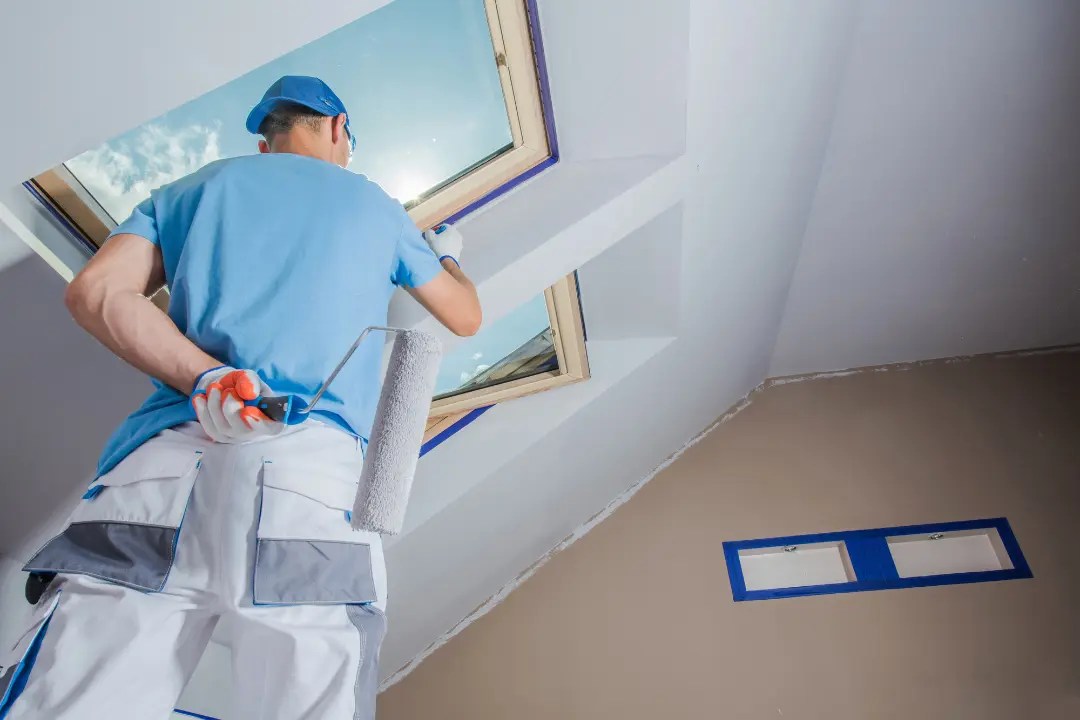
Living in a small apartment can be challenging, but the right room painting ideas can make all the difference. With careful color selection and strategic techniques, you can create the illusion of spaciousness, add personality, and optimize the visual appeal of your living space. Whether you’re looking to brighten up a dim corner or make your ceilings appear higher, painting techniques hold the power to transform any compact area.
In this blog, we’ll explore the best room painting ideas for small apartments, focusing on light colors, accent walls, monochromatic schemes, and other creative approaches. These ideas are tailored to help you make the most of your space while ensuring that it remains stylish, functional, and inviting.
1. Light and Neutral Colors for a Spacious Feel
Light and neutral colors remain the top choice for small apartments because of their ability to create an open and airy ambiance. Shades like white, beige, soft grey, and cream reflect natural and artificial light, making rooms appear larger than they are. These colors also provide a clean and versatile backdrop, making it easier to incorporate various décor styles.
For example, a soft grey can add a modern touch to a living room without making it feel confined, while off-white tones can brighten up even the darkest corners. Neutral shades also work well in apartments with limited natural light, as they help maximize the brightness of the space. Learn more about innovative room painting ideas and services by visiting this site https://www.paintingservicesingapore.sg/room-painting-services/
Why Choose Light Colors?
- Light colors enhance natural light and make spaces feel more expansive.
- They create a calming environment, reducing visual clutter.
- Neutral tones are timeless, ensuring your apartment remains stylish for years.
2. Accent Walls for Visual Interest
Accent walls are a fantastic way to introduce a pop of color or texture without overwhelming a small apartment. By painting one wall in a bold or contrasting shade, you can create a focal point that adds depth and character to your room. This technique works exceptionally well in spaces like the living room, bedroom, or even the kitchen.
For instance, a deep blue accent wall in the living room can draw attention to a seating area, while a terracotta wall in the dining space adds warmth and sophistication. The key to a successful accent wall is balance pair it with neutral-colored walls and simple furnishings to maintain harmony.
Best Practices for Accent Walls in Small Spaces:
- Use bold colors like navy blue or forest green to create contrast.
- Choose a wall that naturally draws attention, such as the one behind the bed or TV.
- Experiment with textured finishes or patterns for added visual interest.
3. Monochromatic Color Schemes for Continuity
A monochromatic color scheme involves using varying shades of a single color throughout your apartment. This approach creates a seamless and cohesive look, minimizing visual clutter and making your space feel larger. For example, you can pair light grey walls with darker grey furniture and accents to achieve a sophisticated yet unified appearance.
Monochromatic palettes are particularly effective in open-concept apartments, where multiple functional areas share the same space. By sticking to one color family, you can create subtle transitions between zones without the need for physical dividers.
How to Use a Monochromatic Palette:
- Start with a base color like beige, blue, or grey and use lighter or darker shades for accents.
- Incorporate textures such as wood, metal, or fabric to add depth and interest.
- Use varying finishes, such as matte walls paired with glossy furniture, to create contrast.
4. Vertical Stripes for Height Illusion
Vertical stripes are a clever painting technique to make low ceilings appear higher. Whether you use two complementary tones or alternate matte and glossy finishes, vertical stripes draw the eye upward, creating the illusion of taller walls.
This approach works well in bedrooms and narrow spaces like hallways. For a subtle look, opt for tone-on-tone stripes using shades of white and beige. If you’re feeling bold, try a combination of contrasting colors like navy and white for a striking effect.
Tips for Painting Vertical Stripes:
- Measure and mark your stripes carefully to ensure even spacing.
- Use painter’s tape to create clean, crisp lines.
- Stick to softer colors in small rooms to avoid overwhelming the space.
5. Soft Pastels for a Cozy Vibe
Pastel shades, including blush pink, mint green, lavender, and baby blue, are ideal for creating a cozy yet stylish atmosphere in small apartments. These colors are light enough to keep the space feeling open while adding a touch of personality and charm.
For example, a pastel mint green can make a compact kitchen feel fresh and inviting, while a lavender bedroom exudes tranquility. Pastels also pair beautifully with neutral-colored furniture and metallic accents, creating a harmonious and visually appealing environment.
Why Pastels Work:
- They are soft and non-intrusive, making them perfect for small spaces.
- Pastels add a hint of color without overwhelming the room.
- They create a calming effect, ideal for bedrooms and relaxation areas.
6. Two-Tone Walls for Depth
Two-tone walls are an excellent way to add depth and interest to small apartments. By painting the lower half of a wall in a darker shade and the upper half in a lighter tone, you can create a visual separation that draws attention upward, making ceilings appear higher.
For example, a navy blue lower section paired with crisp white above creates a nautical theme, while sage green and cream evoke a natural, soothing aesthetic. This technique works particularly well in dining rooms, bedrooms, and even entryways.
Popular Two-Tone Combinations:
- Navy blue and white for a classic look.
- Charcoal grey and pale pink for a modern, edgy vibe.
- Sage green and cream for a fresh, nature-inspired feel.
7. Mirroring and Reflective Paint Finishes
Glossy or reflective paint finishes can amplify light in small apartments, making rooms feel brighter and more expansive. These finishes are especially useful in spaces with limited natural light, such as bathrooms or hallways.
For example, a glossy white ceiling can reflect light and make a room appear taller, while a metallic gold accent wall adds a touch of luxury without compromising the sense of space. Pairing reflective finishes with matte furniture or accessories ensures balance and prevents the room from feeling overwhelming.
How to Use Reflective Paint:
- Apply glossy paint to ceilings for enhanced light reflection.
- Use metallic finishes on smaller surfaces like accent walls or furniture.
- Combine reflective elements with neutral tones for a cohesive look.
8. Color Zoning for Multi-Functional Spaces
In small apartments, where rooms often serve multiple purposes, color zoning is a creative way to define different functional areas. By using different paint colors for each zone, you can create visual boundaries without the need for physical dividers.
For instance, paint a home office corner in calming blue tones to promote focus while keeping the rest of the living area in neutral shades. Similarly, vibrant hues like mustard yellow can designate social spaces, while soft greens can mark relaxation zones.
Ideas for Color Zoning:
- Use bold colors for activity zones and softer shades for rest areas.
- Create a sense of flow by using complementary colors in adjacent zones.
- Experiment with patterns or textures to further distinguish areas.
9. White Ceilings for an Open Look
Painting your ceilings white is a classic trick to make small rooms feel taller and more open. A white ceiling reflects light and creates a sense of height, especially when paired with lighter wall colors.
This approach is versatile and works in any room, from living spaces to bathrooms. For added elegance, consider using crown molding in a contrasting color to frame the ceiling and give it a polished look.
Enhancing the Effect:
- Pair white ceilings with light-colored walls for maximum brightness.
- Use a slightly glossy finish on the ceiling for additional reflectivity.
- Add simple light fixtures to further enhance the spacious feel.
Conclusion
Painting is one of the easiest and most cost-effective ways to transform a small apartment. Whether you choose light neutrals, bold accent walls, or innovative techniques like vertical stripes or reflective finishes, the right paint can make your space feel larger, brighter, and more welcoming.
By experimenting with these room painting ideas, you can create a home that reflects your style while maximizing functionality. So, grab your paintbrush and start turning your small apartment into a space that feels anything but small!
 Every Thing Here