Tooth removal is a common dental procedure, but complications like infections can arise if proper care isn’t taken. Recognizing the early signs of infection can ensure timely treatment, preventing further issues and promoting smooth recovery. This article provides a detailed guide on why infections occur, the symptoms to watch for, and how to avoid them.
1. Why Infections Occur After Tooth Removal
Causes of Post-Extraction Infections
Post-extraction infections occur when bacteria infiltrate the surgical site, disrupting the natural healing process. One of the most common causes is a dislodged blood clot. After a tooth extraction, a blood clot forms in the empty socket, acting as a protective barrier over the bone and nerves. If this clot is disturbed, it exposes the socket to bacteria, leading to conditions like dry socket or infection.
Additionally, poor oral hygiene during the recovery period can create an environment where bacteria thrive. After a tooth extraction by Dr Arthur Yeh, it’s essential to follow proper aftercare instructions to minimize the risk of infection. Food particles and plaque can accumulate around the extraction site if not cleaned appropriately, increasing the chance of complications. Patients with weakened immune systems, diabetes, or pre-existing oral health issues should take extra precautions to avoid post-extraction infections.
High-Risk Factors
Certain behaviors and health conditions elevate the risk of infection after a tooth extraction. Smoking is a significant risk factor because it delays healing and interferes with blood flow to the gums. Using tobacco products shortly after an extraction can also disturb the blood clot.
Complex extractions, such as removing impacted teeth or wisdom teeth, carry a higher risk of complications. Ignoring aftercare instructions, such as rinsing aggressively or eating hard foods, can also contribute to infection.
2. Signs and Symptoms of Infection
Pain Beyond Normal Healing
It’s normal to experience some discomfort after a tooth extraction. However, severe or worsening pain several days after the procedure is a red flag. While the initial soreness should subside within a few days, an infection often causes sharp, throbbing, or radiating pain that intensifies with time.
This kind of pain may also spread to neighboring teeth, the jaw, or even the ear on the affected side. If painkillers don’t provide relief or the pain worsens over time, it’s essential to consult your dentist as soon as possible.
Swelling and Redness
Swelling is a common post-extraction response, particularly within the first 48 hours. However, if the swelling persists or intensifies after this period, it may indicate an infection. Infected areas often become red and inflamed, sometimes spreading to the cheek or jaw.
The affected area may also feel warm to the touch, which is another sign of infection. If swelling is accompanied by difficulty opening the mouth, it could suggest that the infection is spreading to the surrounding tissues.
Other Symptoms to Watch For
- Foul Odor or Taste: An unpleasant taste in your mouth, often caused by pus or decaying material, is a common symptom of infection. This may also result in persistent bad breath despite maintaining oral hygiene.
- Fever or Chills: A low-grade fever is a natural response after surgery, but a high or prolonged fever often signals an infection. Chills or feeling generally unwell may accompany the fever.
- Pus Discharge: Visible pus around the extraction site is a definitive sign of infection. The discharge may appear yellow, green, or white and should be addressed immediately by a dentist.
- Difficulty Opening the Mouth: Known as trismus, this symptom can occur when an infection spreads to the jaw muscles or tissues, causing stiffness.
3. How to Check for Infection at Home
Examine the Extraction Site
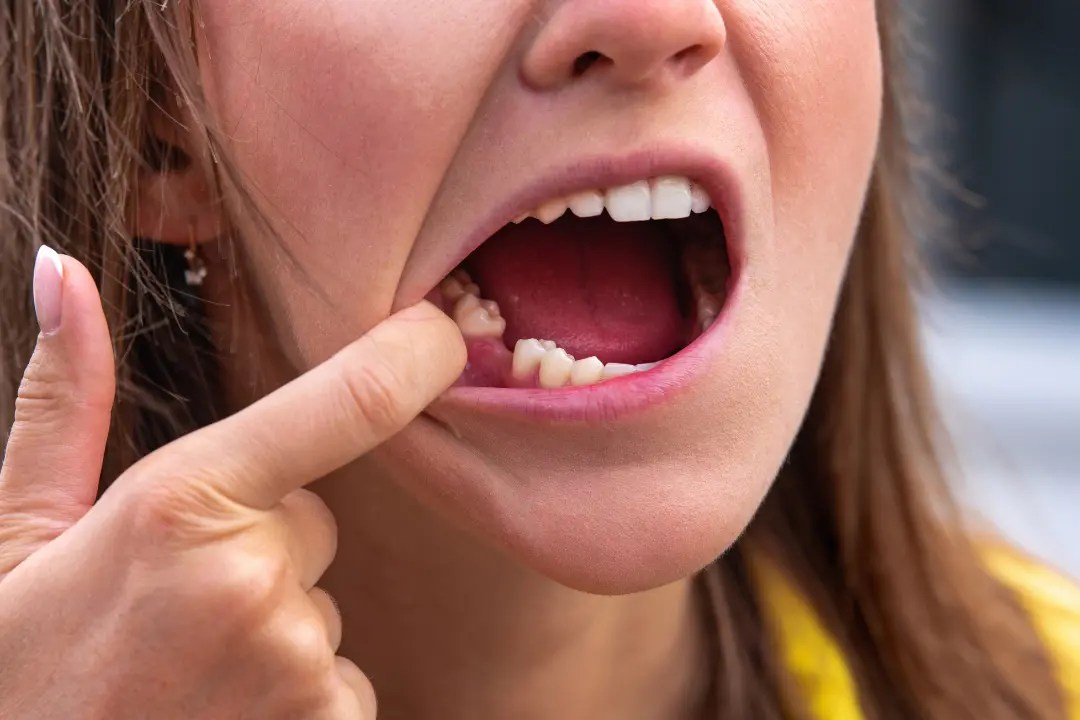
Regularly inspect the extraction site during the recovery period. Use a clean mirror in a well-lit area to look for abnormalities. A healthy extraction site is generally pink, with no unusual discoloration or discharge.
Signs of infection include excessive redness, swelling, or visible pus. If the socket appears empty and dry, it could indicate dry socket, which is a precursor to infection. Avoid probing the area with your fingers or objects, as this may introduce more bacteria.
Pay Attention to Your Symptoms
Your body often provides clear signs when something is wrong. Take note of any unusual sensations or changes, such as worsening pain, swelling, or a fever. Keep a record of persistent symptoms and report them to your dentist promptly.
4. When to Contact Your Dentist
Early Intervention is Key
If you suspect an infection, don’t delay seeking professional help. Early treatment prevents the infection from spreading to other parts of the body, such as the jawbone or bloodstream. Contact your dentist immediately if you notice symptoms like pus, persistent pain, or a high fever.
Delaying treatment can lead to severe complications, including abscesses, bone infections (osteomyelitis), or systemic infections that impact overall health. Your dentist will likely prescribe antibiotics to manage the infection and may recommend additional procedures to clean the affected area.
5. Preventing Infections After Tooth Removal
Follow Post-Extraction Instructions
Adhering to your dentist’s aftercare guidelines is the best way to avoid infections. For the first 24 hours, avoid spitting, rinsing, or using straws to ensure the blood clot remains intact. Stick to soft, cool foods and avoid chewing near the extraction site.
After the initial healing period, gently rinse your mouth with warm salt water to keep the area clean. Brushing should be resumed carefully, avoiding direct contact with the extraction site.
Manage Medications
If your dentist prescribes antibiotics, take them as directed. Completing the full course of antibiotics is crucial, even if symptoms improve, to ensure all bacteria are eliminated. Using over-the-counter pain relievers can also help manage discomfort, but consult your dentist before taking any new medications.
Conclusion
Infections after tooth removal are rare but can occur if proper care isn’t taken. Understanding the signs such as worsening pain, swelling, pus, or fever can help you identify problems early and seek timely treatment.
Prevention is equally important. By following your dentist’s aftercare instructions, maintaining good oral hygiene, and monitoring your symptoms, you can ensure a smooth recovery and avoid complications. If you suspect an infection, don’t hesitate to consult your dentist for professional advice and treatment.
 Every Thing Here