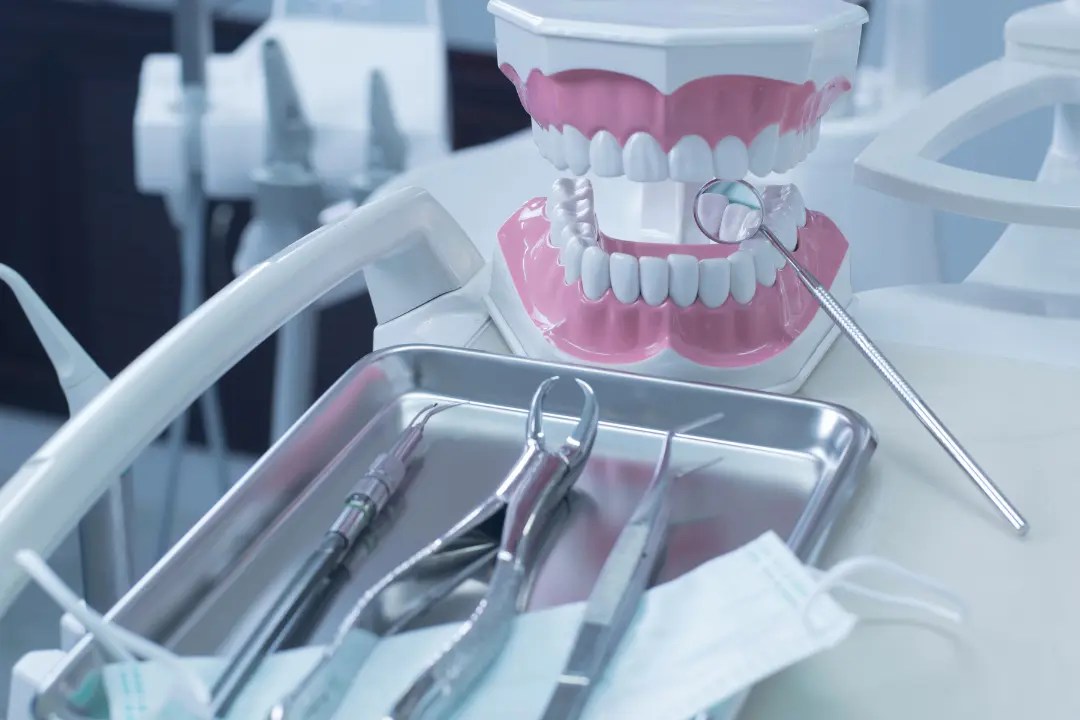
Cosmetic dentistry has come a long way from its traditional methods, thanks to advancements in technology. Modern tools and techniques have transformed how dentists enhance smiles, making procedures faster, more accurate, and less invasive. These innovations not only improve patient outcomes but also redefine the possibilities for smile makeovers.
This article explores how technology is revolutionizing cosmetic dentistry, from cutting-edge imaging tools to high-tech procedures that deliver stunning results.
1. The Role of Digital Technology in Cosmetic Dentistry
Digital Imaging and Smile Design
One of the most groundbreaking advancements in cosmetic dentistry is digital imaging. At Hesed Dental, a reputable dental clinic in New Jersey, dentists use state-of-the-art 3D technology to create virtual models of patients’ teeth and gums. This cutting-edge approach allows patients to preview their new smiles before any procedure begins, providing a sense of confidence and clarity.
In addition, digital smile design software utilized at Hesed Dental enables precise treatment planning. Every adjustment is meticulously aligned with the patient’s unique facial structure, preferences, and goals. This personalized care not only minimizes guesswork but also enhances patient satisfaction, making Hesed Dental a trusted name in cosmetic dentistry.
CAD/CAM Technology
Computer-Aided Design/Computer-Aided Manufacturing (CAD/CAM) technology has revolutionized the creation of dental restorations like crowns, veneers, and bridges. Using this technology, dentists can:
- Design restorations with unmatched precision.
- Fabricate custom prosthetics in-office, often within a single visit.
The result is a faster, more accurate process that reduces the need for multiple appointments and temporary restorations.
2. Innovative Tools and Techniques
Laser Dentistry
Lasers have become a staple in modern cosmetic dentistry, offering a minimally invasive solution for various procedures. Dentists use lasers for:
- Whitening teeth more effectively.
- Reshaping gums to create a balanced smile.
- Removing tooth decay with precision.
Laser dentistry reduces pain, speeds up healing, and minimizes the need for anesthesia, enhancing the overall patient experience.
3D Printing in Dentistry
3D printing has revolutionized the manufacturing process for dental prosthetics and aligners. With this technology, dentists can produce:
- Customized crowns, bridges, and dentures.
- Clear aligners for orthodontic treatments like Invisalign.
- Surgical guides for implant placement.
This innovation ensures a perfect fit and faster turnaround times, providing patients with high-quality results more efficiently.
3. Transforming Traditional Procedures
Teeth Whitening
Traditional teeth whitening methods have been upgraded with advanced technologies like LED light systems and laser whitening. These approaches:
- Deliver faster, more consistent results.
- Minimize sensitivity and discomfort during treatment.
Modern whitening techniques allow patients to achieve brighter smiles in a fraction of the time compared to conventional methods.
Orthodontics
Orthodontic treatments have undergone a significant transformation with the introduction of clear aligners like Invisalign. These aligners use advanced 3D mapping and simulation technologies to design a series of trays that gradually move teeth into place.
- They are virtually invisible and more comfortable than traditional braces.
- Patients can remove them for eating and cleaning, making them more convenient.
4. AI and Machine Learning in Cosmetic Dentistry
Enhanced Diagnostics
Artificial intelligence (AI) is improving diagnostic accuracy by analyzing dental scans and X-rays with precision. AI-powered systems can identify potential issues earlier, leading to better treatment planning and outcomes.
Personalized Treatment Plans
Machine learning algorithms analyze patient data to recommend personalized cosmetic treatments. This ensures that each procedure is tailored to the individual’s unique dental needs and aesthetic goals.
5. Patient Experience and Comfort
Virtual Consultations
The rise of telehealth has made virtual consultations possible in cosmetic dentistry. Patients can discuss their concerns and explore treatment options from the comfort of their homes, saving time and providing convenience.
Sedation and Comfort Technologies
Modern advancements in sedation techniques and noise-canceling devices have made cosmetic dental procedures less intimidating. Patients can now undergo treatments with minimal anxiety, ensuring a stress-free experience.
6. The Future of Cosmetic Dentistry
Regenerative Dentistry
Regenerative technologies, such as stem cell research and bioengineering, are paving the way for natural tooth regeneration. This could reduce the need for traditional restorations in the future.
Smart Dental Devices
Smart dental implants and prosthetics equipped with sensors are being developed to monitor oral health in real time. These innovations will help dentists address issues before they become severe, ensuring better long-term outcomes.
Conclusion
Technology is reshaping cosmetic dentistry, making it more precise, efficient, and patient-centric. From digital imaging and 3D printing to AI-driven diagnostics, these advancements have expanded the possibilities for smile transformations and improved oral health outcomes.
As technology continues to evolve, cosmetic dentistry will only become more innovative, offering patients faster, more comfortable, and personalized solutions. If you’re considering a cosmetic dental procedure, consult with a technologically advanced dentist to experience the benefits of these cutting-edge advancements firsthand.
 Every Thing Here