Homeowners in Georgia often face unique challenges due to varying weather conditions. Keeping energy bills low while maintaining indoor comfort can be tricky. Spray foam insulation offers an effective solution. This guide explains what spray foam insulation is, its benefits, and how it can improve your home’s comfort and energy efficiency in Georgia.
If you’re considering a DIY installation or hiring professionals, this guide offers everything you need to know. Let’s explore how spray foam insulation can transform your home.
What Is Spray Foam Insulation?
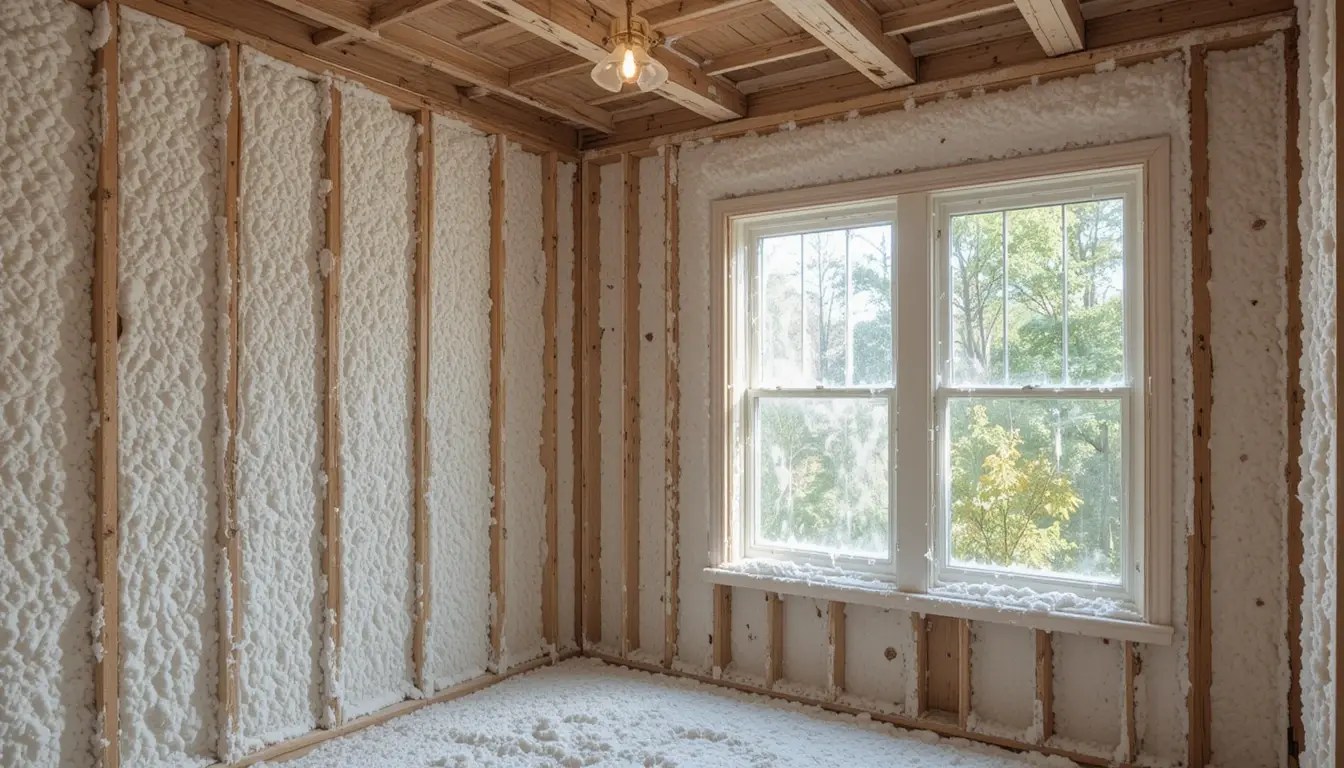
Spray foam insulation is a material made from polyurethane and isocyanate. When applied, these chemicals react to expand and form a dense, air-sealing foam. This foam fills gaps, cracks, and hard-to-reach areas to create a robust thermal barrier.
There are two main types:
- Open-Cell Foam: Lightweight and flexible, ideal for noise reduction.
- Closed-Cell Foam: Denser and provides better moisture and air resistance.
Both types offer specific advantages, depending on your home’s insulation needs.
Why Spray Foam Insulation Makes Sense in Georgia
Georgia’s weather swings between sizzling summers and chilly winters. These temperature extremes make effective insulation a must for maintaining comfort and cutting energy costs. Unlike traditional insulation, spray foam forms an airtight barrier, preventing energy loss more effectively. If you need more information about spray foam insulation from this website.
Here are some reasons spray foam insulation works well for Georgia homes:
- Temperature Control: Keeps homes cool in summer and warm in winter by reducing energy transfer.
- Moisture Resistance: Its ability to block moisture is vital, especially given Georgia’s high humidity levels.
- Energy Savings: Sealing air leaks reduces strain on HVAC systems, lowering energy bills.
Benefits of Spray Foam Insulation
1. Improved Energy Efficiency
Spray foam insulation creates an airtight seal, minimizing energy loss. Studies show homes with spray foam save up to 20% on energy bills compared to homes with traditional insulation.
2. Enhanced Indoor Comfort
By sealing gaps and cracks, spray foam insulation eliminates drafts and maintains consistent indoor temperatures. This creates a more comfortable environment for your family.
3. Noise Reduction
Open-cell spray foam absorbs sound waves, acting as an effective soundproofing material. It’s ideal for reducing external noise, especially in residential areas.
4. Longevity and Durability
Spray foam insulation does not sag, compress, or degrade over time. With a lifespan of over 20 years, it remains effective longer than many other insulation options.
5. Protection from Moisture and Mold
Spray foam insulation resists moisture, reducing the risk of mold growth and protecting your home’s structural integrity.
6. Eco-Friendly Option
Spray foam insulation reduces your home’s energy usage, lowering your carbon footprint. Some products are even made with environmentally friendly materials.
How to Install Spray Foam Insulation
DIY Installation
For smaller projects, DIY spray foam kits are available. Follow these steps for a successful application:
- Prep the Area: Clear the area of debris and ensure surfaces are dry.
- Wear Protective Gear: Use gloves, goggles, and a respirator.
- Apply the Foam: Spray foam into gaps and cracks, expanding it evenly.
- Trim Excess Foam: Once cured, use a knife to cut away excess foam.
While DIY installation is cost-effective, it is best suited for minor projects. Homeowners unfamiliar with insulation application should consider hiring a professional.
Professional Installation
For larger projects or areas requiring precision, professional installation is recommended. Experts ensure correct application and optimal coverage.
Key Areas to Insulate with Spray Foam
- Attics: Spray foam prevents heat from escaping or entering your home through the roof.
- Walls: Create an air seal within interior and exterior walls for improved comfort and energy savings.
- Crawl Spaces: Insulate crawl spaces to reduce moisture issues and air leakage.
- Basements: Prevent basement dampness with moisture-resistant spray foam.
Is Spray Foam Insulation Worth the Investment?
While spray foam insulation has a higher upfront cost compared to traditional insulation, its long-term benefits outweigh the expense. Here’s why:
- Lower energy bills reduce long-term costs.
- Increased home comfort without fluctuations in temperature.
- Protection against mold, pests, and structural damage.
With proper installation, spray foam insulation adds value to your home while paying for itself over time.
Tips for Choosing the Right Spray Foam Insulation
- Evaluate Your Needs: Determine whether you need open-cell or closed-cell foam based on your home’s requirements.
- Use Certified Products: Quality matters. Look for spray foam products certified by reputable organizations.
- Hire Reputable Professionals: If opting for professional installation, research and select experienced contractors.
- Check Energy Rebates: Some energy companies offer rebates for using energy-efficient insulation methods.
Final Insights for Georgia Homeowners
Spray foam insulation offers a practical, efficient solution for enhancing home comfort and cutting energy costs. Its ability to seal air leaks, reduce moisture, and last for decades makes it a worthwhile investment for Georgia homeowners.
Whether you’re planning a DIY project or hiring professionals, spray foam can transform your home’s energy efficiency and indoor environment. Start by evaluating your needs and exploring your options to find the best fit for your home.
If you’re ready to take the next step, consult with an insulation expert. They can guide you toward the best products and techniques for your specific needs.
 Every Thing Here