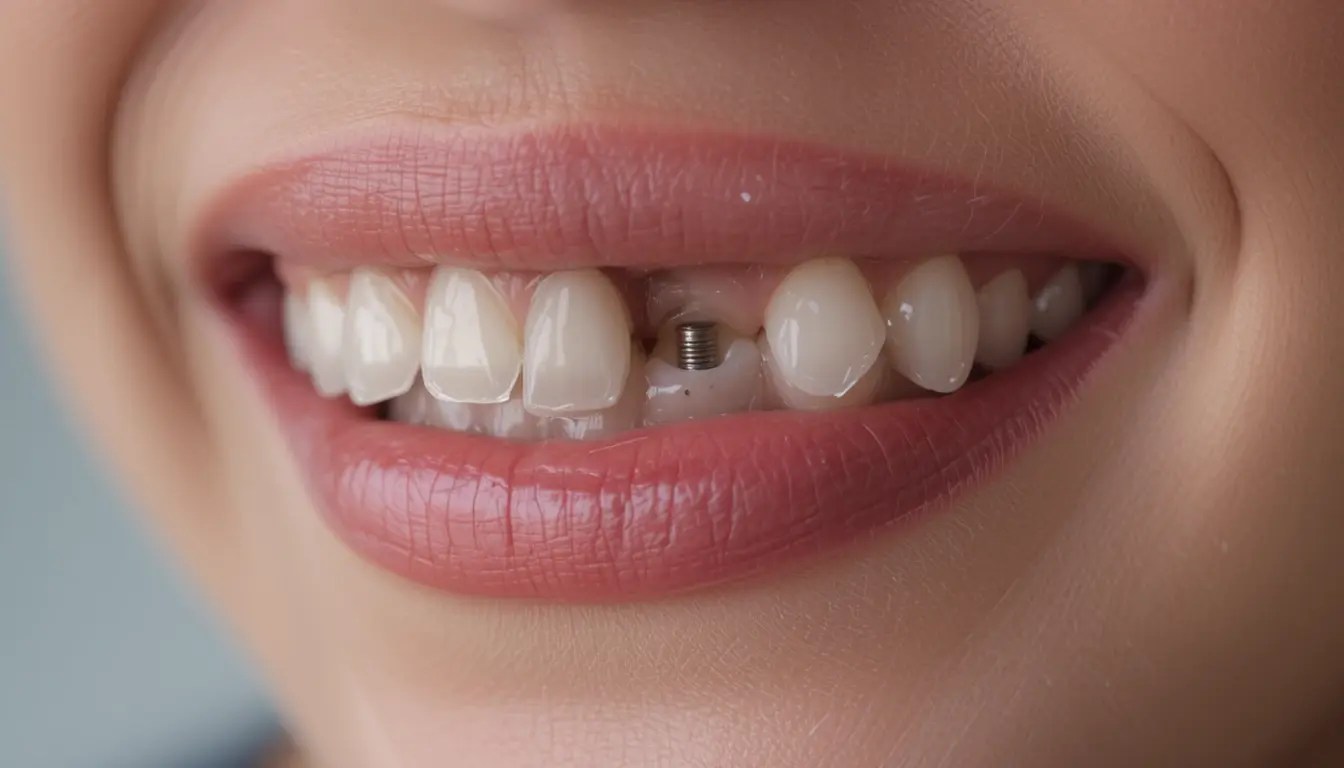
Tooth loss affects appearance, speech, and chewing ability. People seek reliable solutions to replace missing teeth. Single tooth implants and dentures are common options. A single tooth implant offers durability and a natural feel, while dentures provide a removable alternative.
Many people prefer single tooth implants due to their long-lasting nature and comfort. Understanding the advantages of implants over dentures helps individuals choose the right solution for their needs.
What Is a Single Tooth Implant?
Structure of a Single Tooth Implant
A single tooth implant consists of three parts: the implant post, the abutment, and the crown. The implant post is a titanium screw placed into the jawbone. The abutment connects the post to the crown. The crown is the visible part that looks like a natural tooth.
The implant post fuses with the jawbone through a process called osseointegration. This creates a strong foundation for the artificial tooth. The structure of the implant mimics a natural tooth, making it stable and functional. To learn more about the single tooth implant from this website.
How a Single Tooth Implant Works
A dentist places the implant in the jawbone. Over time, the bone heals around the implant, securing it in place. After healing, the abutment and crown are attached.
The final result is a tooth that functions like a real one. The implant allows people to eat, speak, and smile with confidence. Unlike dentures, implants stay fixed and do not require adhesives.
What Are Dentures?
Types of Dentures
Dentures come in two main types: full dentures and partial dentures. Full dentures replace all teeth in the upper or lower jaw. Partial dentures replace a few missing teeth and attach to natural teeth.
Dentures rest on the gums and are removable. They require daily cleaning and may need adhesives for stability. Over time, they may become loose due to changes in the jawbone.
How Dentures Function
Dentures sit on the gum line and rely on suction or adhesives for support. They restore basic chewing and speaking abilities. However, they do not prevent bone loss in the jaw.
Since dentures are removable, they need to be taken out for cleaning. Some people find them uncomfortable, especially when eating hard or sticky foods.
Key Differences Between Single Tooth Implants and Dentures
Longevity and Durability
A single tooth implant lasts many years, often a lifetime with proper care. The titanium post integrates with the jawbone, providing a strong and stable foundation.
Dentures typically last 5 to 10 years before needing replacement. The jawbone changes over time, causing dentures to become loose. This requires adjustments or new dentures.
Comfort and Fit
A single tooth implant feels like a natural tooth. It stays fixed in place and does not cause irritation. People can eat, talk, and smile without worry.
Dentures may feel bulky or shift when eating or speaking. They can cause sore spots on the gums, especially if they do not fit properly. Many people find implants more comfortable than dentures.
Jawbone Health
A single tooth implant prevents bone loss by stimulating the jawbone. This helps maintain facial structure and oral health.
Dentures do not provide stimulation to the jawbone. Over time, bone loss occurs, leading to changes in facial appearance. This can make dentures less secure and require frequent adjustments.
Maintenance and Hygiene
A single tooth implant requires the same care as natural teeth. Brushing, flossing, and regular dental check-ups keep it healthy.
Dentures require daily removal for cleaning. They need special cleaning solutions and should not be worn overnight. Poor maintenance can lead to gum infections or bad breath.
Why People Prefer Single Tooth Implants Over Dentures
Natural Look and Feel
A single tooth implant closely resembles a natural tooth. The crown is custom-made to match surrounding teeth in color and shape.
Dentures may look artificial and can sometimes slip when speaking or eating. Implants provide a more natural and permanent solution.
Better Chewing Ability
A single tooth implant allows people to eat all types of food without restrictions. It provides strong bite force, similar to natural teeth.
Dentures may limit the ability to eat hard or sticky foods. They can shift while chewing, making eating less comfortable.
No Risk of Slipping
A single tooth implant stays securely in place. There is no risk of it moving or falling out during speech or eating.
Dentures may slip, especially if they do not fit well. People often use adhesives to keep them in place, but this is not always effective.
Long-Term Cost Effectiveness
A single tooth implant may have a higher initial cost, but it lasts for many years. This makes it a cost-effective solution over time.
Dentures require replacements, adjustments, and adhesives. These costs add up over the years, making them more expensive in the long run.
Who Is a Good Candidate for a Single Tooth Implant?
Healthy Jawbone and Gums
A strong jawbone is needed to support an implant. If there is significant bone loss, bone grafting may be necessary before getting an implant.
Healthy gums are also important. People with gum disease may need treatment before an implant can be placed.
Commitment to Oral Hygiene
People who practice good oral hygiene are ideal candidates for implants. Regular brushing, flossing, and dental visits help maintain implant health.
Dentures require careful maintenance, but implants allow for easier daily care. People who prefer a low-maintenance solution benefit from implants.
Conclusion
A single tooth implant provides a stable, durable, and natural-looking solution for missing teeth. It supports jawbone health, enhances comfort, and improves chewing ability. Unlike dentures, implants do not slip or require adhesives.
People looking for a long-term, effective tooth replacement often prefer implants over dentures. Consulting a dentist helps determine the best option based on individual needs.
 Every Thing Here