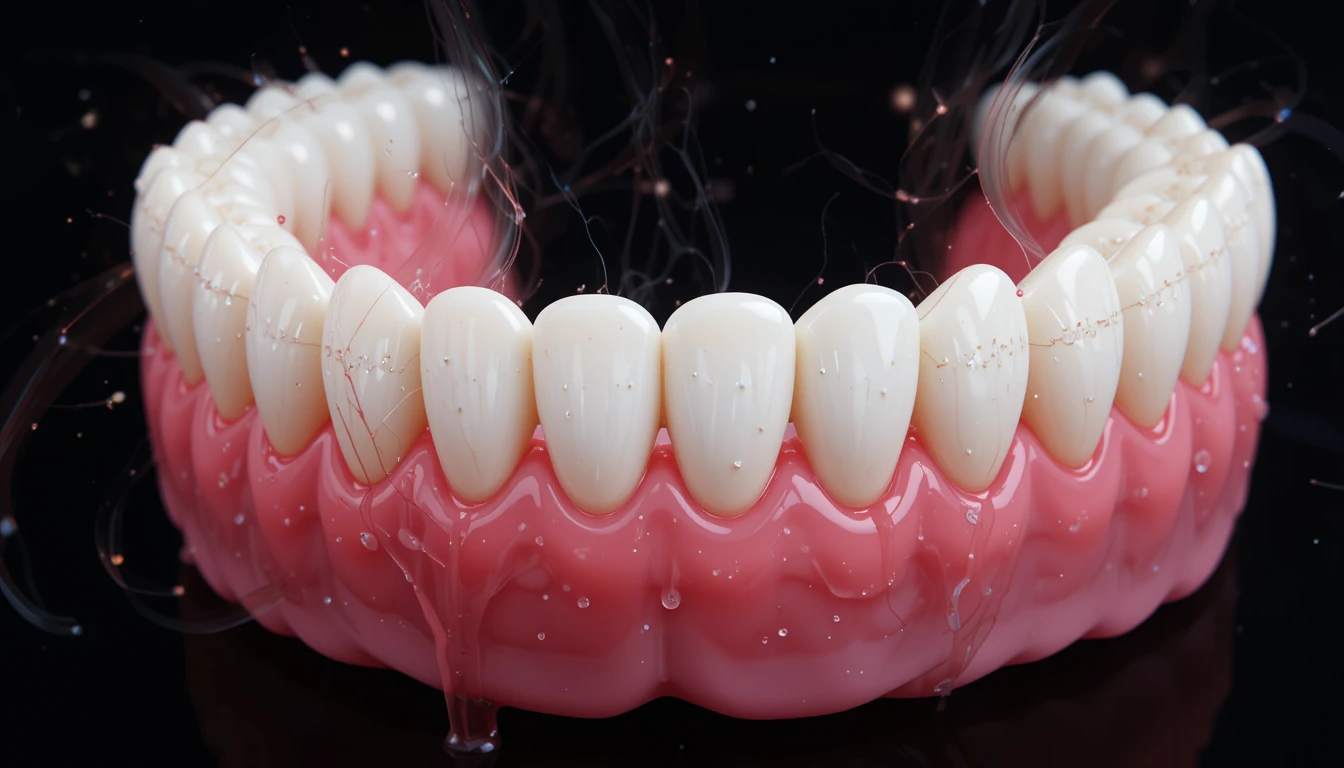
A dental crown is a cap placed over a damaged tooth. It restores its shape, size, strength, and appearance. Crowns are made from durable materials like porcelain, ceramic, or metal. While crowns are strong and long-lasting, they still require care to ensure they stay in good condition. Proper care helps avoid issues like crown loosening, breakage, or damage to the underlying tooth.
In this article, we will explore how to care for your dental crown properly. From daily oral hygiene practices to avoiding certain foods, these simple tips will help you maintain your crown and ensure its longevity.
Understanding Dental Crowns
What is a Dental Crown?
A dental crown is a tooth-shaped cover that fits over a damaged or decayed tooth. It strengthens the tooth and restores its appearance. Crowns can be used to protect a weak tooth, cover a dental implant, or hold a dental bridge in place. Crowns are typically made from materials such as porcelain, ceramic, gold, or a combination of these materials.
Once a crown is placed, it acts as a permanent protective cover. However, just like natural teeth, crowns can experience wear and tear. This is why proper care is essential to maintaining the crown’s integrity.
Why Proper Care Matters
Caring for a dental crown properly is essential to its longevity. A poorly maintained crown can lead to complications such as tooth decay, gum disease, or even crown failure. Regular brushing, flossing, and routine dental check-ups help prevent plaque buildup around the crown, ensuring its durability. Crowns typically last between 5 to 15 years, depending on the material used and how well they are maintained. However, with proper oral hygiene and professional care, they can last even longer, reducing the need for costly replacements or repairs.
For expert dental care and crown maintenance, Dr Arthur Yeh & Associates provide comprehensive dental services to help patients maintain healthy teeth and gums. Their team specializes in restorative dentistry, ensuring that crowns, bridges, and other dental work remain in excellent condition. Regular dental visits allow for early detection of any issues, preventing potential complications. By following a proper care routine and consulting experienced professionals, patients can extend the lifespan of their crowns and enjoy long-term oral health.
Daily Care Tips for Dental Crowns
Brushing Your Teeth
Brushing your teeth is the first line of defense when caring for a dental crown. Brush your teeth at least twice a day, using a soft-bristled toothbrush. Hard bristles can damage both your crown and your gums. Use fluoride toothpaste to help prevent tooth decay around the crown’s edges. Be sure to brush all surfaces of your teeth, including the crown, to remove plaque and bacteria.
Take extra care around the base of the crown, where it meets the natural tooth. Plaque buildup can lead to gum disease or decay in the underlying tooth. Regular brushing removes plaque and food particles that may get stuck in the crown area.
Flossing Daily
Flossing is another important part of dental care, especially with crowns. Regular flossing helps remove food particles and plaque that brushing alone cannot reach. Be gentle when flossing around the crown to avoid damaging the crown or gums. Using a thin floss or special floss threaders can make it easier to clean around the crown.
Flossing around the crown is essential for keeping both the crown and the tooth underneath healthy. Neglecting flossing can lead to gum irritation, which may cause your crown to loosen or come off.
Rinsing with Mouthwash
Using mouthwash can help maintain the cleanliness of your crown. Choose a mouthwash that fights plaque and prevents gum disease. Rinse with mouthwash after brushing and flossing to ensure your mouth is fresh and free from harmful bacteria. Mouthwash can also help reduce any discomfort caused by irritation around the gum line.
Make sure to choose a mouthwash that is alcohol-free to avoid drying out your mouth. A dry mouth can lead to bad breath and increase the risk of tooth decay and gum disease.
Avoiding Damage to Your Dental Crown
Limit Hard and Sticky Foods
Certain foods can put undue stress on your crown, causing it to crack or break. Avoid biting down on hard foods like ice, nuts, or hard candies. Chewing these items can cause your crown to chip or become loose.
Sticky foods, like caramel or chewing gum, can also be problematic. They may get stuck in the crown, making it harder to clean properly. These foods can also pull on the crown, causing it to loosen or shift out of place.
Be Cautious with Teeth Grinding
Teeth grinding, or bruxism, is another issue that can harm your dental crown. People who grind their teeth at night can put significant pressure on their crowns, which may lead to cracks or wear. If you grind your teeth, talk to your dentist about getting a custom nightguard to protect your crown while you sleep.
If you notice any signs of grinding, such as jaw pain, headaches, or worn teeth, be sure to mention it to your dentist. Addressing the issue early can help protect your crown and prevent further damage.
Avoid Using Your Teeth as Tools
Using your teeth to open packages or crack nuts can put unnecessary strain on your dental crown. Always use proper tools for tasks that could damage your teeth. Using your teeth as tools can cause chips, cracks, or even dislodge your crown.
Be mindful of how you use your teeth during everyday activities. Protect your crown by avoiding habits that could cause accidental damage.
Regular Dental Checkups
Visit Your Dentist Regularly
Even if your crown seems fine, regular dental checkups are essential. Your dentist will check for any signs of wear or damage. They will also inspect the crown to ensure it fits properly and is securely in place. If any issues are detected early, they can be addressed before they cause significant problems.
During your checkup, your dentist will clean your teeth thoroughly and may take X-rays to check the health of the tooth underneath the crown. Regular visits are important for maintaining your oral health and ensuring the longevity of your crown.
Professional Cleaning
While brushing and flossing at home are important, professional cleaning is also necessary. Your dentist or hygienist will remove tartar buildup that cannot be removed through regular brushing. This cleaning helps keep your crown and surrounding gums healthy, reducing the risk of complications like gum disease.
Professional cleaning also gives your dentist a chance to check the crown for any signs of loosening or wear. Addressing issues early can save you time and money down the road.
What to Do if Your Crown Becomes Loose or Damaged
If Your Crown Comes Loose
If your crown becomes loose, it’s important to see your dentist as soon as possible. Do not try to reattach the crown yourself. This could lead to further damage to your tooth or crown. If you can find the crown, keep it safe and bring it to your dentist during your appointment.
In some cases, your dentist may be able to re-cement the crown. If the crown is too damaged or the tooth underneath is compromised, a new crown may be necessary.
If Your Crown Breaks
If your crown breaks, contact your dentist immediately. Depending on the extent of the damage, the crown may need to be replaced. In some cases, the dentist may be able to repair the crown temporarily until a new one can be made.
It’s important not to wait too long to address a broken crown, as this can lead to further damage to the tooth underneath.
Conclusion
Taking care of your dental crown is essential to maintaining its functionality and appearance. By brushing, flossing, and avoiding damaging habits, you can ensure your crown lasts for many years. Regular dental checkups and professional cleaning help maintain the health of both your crown and the tooth beneath it.
If you ever experience any issues with your crown, such as loosening or breakage, contact your dentist immediately. With the right care, your dental crown will continue to serve you well and support your overall oral health.
 Every Thing Here