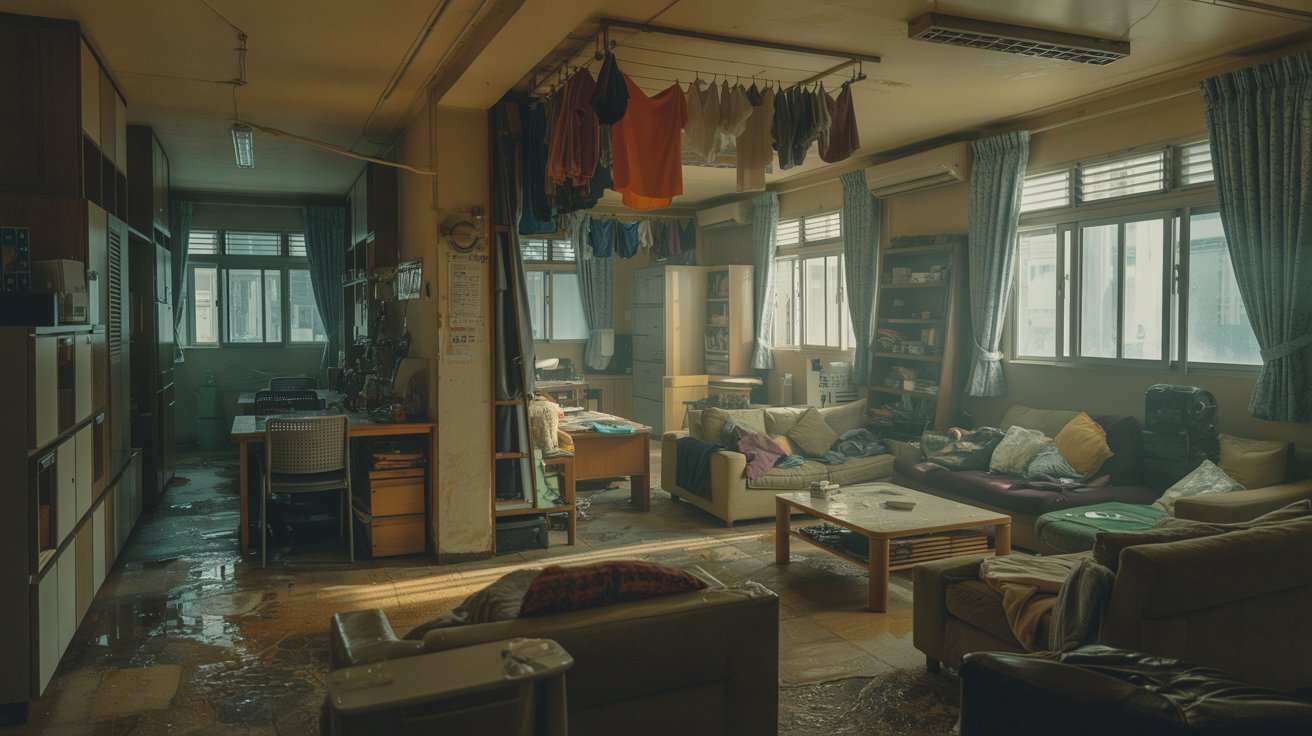
Poor Ventilation is a frequent concern in Singapore Housing because of how buildings are designed, how space is used, and how the climate behaves throughout the year. Many homes depend on limited airflow systems that do not match daily living needs. As cities grow denser, airflow becomes harder to maintain. This issue affects comfort, indoor air quality, and daily health. Singapore Housing faces specific ventilation limits due to weather, land use, and building patterns. Understanding these causes helps residents manage airflow and helps planners improve future housing layouts.
Climate Conditions and Their Direct Effect on Airflow
Singapore has a warm and humid climate for most of the year. High humidity slows down natural air movement inside homes. Warm air stays trapped, especially in rooms with small openings. Poor Ventilation becomes common when outdoor air feels heavy and moist. Many residents keep windows closed to avoid heat, rain, or insects. This choice reduces air exchange and increases indoor heat.
Humidity also raises moisture levels inside rooms. Moist air stays longer in closed spaces. Bathrooms, kitchens, and bedrooms collect damp air during daily use. In Singapore Housing, this trapped moisture often leads to stale air and surface dampness. Without steady airflow, fresh air does not replace used air. This cycle keeps indoor air warm and thick.
High-Density Urban Design in Singapore Housing
Singapore Housing relies on high-density planning to save land. Tall apartment blocks stand close to each other. This layout blocks wind paths between buildings. Lower floors receive less natural breeze. Units that face other buildings often have fewer open sides. Poor Ventilation occurs when air cannot enter and exit freely.
Many apartments have windows on only one side. Single-sided airflow limits cross ventilation. Air enters but does not flow through the full unit. Rooms far from windows receive little fresh air. Corridors and internal rooms depend on shared air systems or fans. These systems often lack strong airflow.
Building Orientation and Limited Window Placement
Building orientation plays a major role in air movement. Some blocks do not align with wind directions. When wind hits a flat wall, airflow slows down. Windows placed on the same wall do not create air circulation. Singapore Housing often follows fixed plot layouts. This limits how designers place windows and openings.
Small window sizes also restrict airflow. Many apartments use sliding windows with narrow openings. Safety grills reduce open space further. Poor Ventilation results when window gaps stay small. Curtains, furniture, and storage units also block airflow near windows.
Interior Layouts That Restrict Air Movement
Interior design affects how air moves inside a home, especially in Singapore Housing units with compact layouts. Rooms often sit close together with narrow passages, and solid walls limit airflow between spaces. Doors remain closed to control privacy or temperature, which further restricts air circulation. Storage units, built-in cabinets, and partitions reduce open space, and when furniture blocks clear air paths, ventilation weakens. Poor ventilation is common in bedrooms and study rooms filled with heavy furniture, while lower ceiling heights keep warm air closer to occupants.
To reduce these issues, homeowners often look for practical changes such as better furniture placement, improved openings, or small layout adjustments that support airflow. In such cases, guidance from PS Handyman Singapore can help align interior design choices with ventilation needs, ensuring air can move more freely through living areas. Simple fixes, when planned with airflow in mind, can improve comfort and indoor air quality without major structural changes.
Dependence on Mechanical Cooling Systems
Air conditioners play a major role in Singapore Housing. Many residents rely on cooling systems for comfort. Air conditioners cool air but do not bring in fresh air. They recycle indoor air unless paired with ventilation systems. This practice leads to Poor Ventilation over time.
When air conditioners run for long hours, windows stay closed. Fresh air stays outside. Indoor air quality drops as carbon dioxide levels rise. Odors stay trapped. Dust and indoor pollutants remain in circulation. Fans help move air but do not replace stale air with fresh air.
Shared Walls and Enclosed Corridors
Many housing blocks use shared walls and internal corridors. These designs reduce external exposure. Units in the middle of blocks often lack direct outdoor access. Air enters from shared corridors that also lack strong airflow. Poor Ventilation develops when shared spaces do not allow fresh air intake.
Internal corridors rely on mechanical exhaust systems. These systems may not run all day. When they stop, air stays still. Units that open into these corridors receive limited fresh air. This design choice affects older and newer Singapore Housing developments.
Cooking Habits and Indoor Air Quality
Daily cooking adds heat, moisture, and odors to indoor air. Singapore homes often cook with oil and spices. Without strong exhaust systems, cooking fumes stay inside. Poor Ventilation becomes clear during meal preparation times.
Many kitchens use small exhaust fans that vent air slowly. Some kitchens connect directly to living spaces. Air spreads through the unit without exit paths. Grease particles settle on surfaces. Moisture stays in the air. These factors reduce indoor air quality.
Bathroom Design and Moisture Build-Up
Bathrooms produce high moisture levels. Showers release steam into small spaces. Many bathrooms lack windows. They depend on exhaust fans for air removal. When fans run for short periods, moisture stays behind. Poor Ventilation in bathrooms leads to damp walls and musty air.
Moist air moves into nearby rooms if doors stay open. Bedrooms and living areas then hold extra humidity. This cycle affects comfort and air quality across the unit. Singapore Housing often uses compact bathroom designs that limit airflow.
Maintenance Gaps and Aging Infrastructure
Older buildings face maintenance challenges. Ventilation ducts collect dust and block airflow. Exhaust fans lose power over time. Windows may not open fully due to wear. Poor Ventilation becomes more common as systems age.
Some residents avoid maintenance due to cost or access issues. Block management schedules may delay repairs. When ventilation systems fail, airflow drops across many units. Aging Singapore Housing blocks often show higher indoor air quality issues.
Noise, Pollution, and Resident Habits
External noise and pollution influence ventilation habits. Busy roads and construction sites surround many housing areas. Residents close windows to reduce noise and dust. This choice limits fresh air intake. Poor Ventilation becomes a daily issue due to environmental factors.
Safety concerns also affect window use. Families with children keep windows shut or secured. Security grills reduce opening size. These measures protect residents but reduce airflow. Habits formed for safety and comfort shape ventilation patterns.
Health Effects Linked to Poor Ventilation
Poor Ventilation affects physical comfort and health. Stale air causes fatigue and headaches. High humidity supports mold growth. Dust and allergens stay airborne. These factors affect breathing and sleep quality.
In Singapore Housing, people spend many hours indoors. Remote work and home activities increase indoor time. Without fresh air, indoor pollutants build up. Children and elderly residents face higher risks. Good airflow supports better daily comfort and health.
Current Design Standards and Their Limits
Building codes set minimum ventilation requirements. These standards aim to balance space, cost, and comfort. In practice, minimum standards may not meet daily needs. Poor Ventilation still appears despite code compliance.
Designers work within space limits and budget goals. They may prioritize layout efficiency over airflow. Singapore Housing projects often follow similar templates. These templates do not always adapt to site-specific wind patterns.
Simple Steps Residents Can Take
Residents can improve airflow with small changes. Opening windows during cooler hours helps air exchange. Using exhaust fans longer after cooking or showering removes moisture. Rearranging furniture clears air paths.
Installing window vents or door gaps allows air movement. Using fans near windows helps draw in fresh air. These steps reduce Poor Ventilation without major changes. Awareness plays a key role in daily air quality.
Future Improvements in Singapore Housing
Future housing projects can improve ventilation through design. Better building orientation supports natural airflow. Cross ventilation layouts allow air to move through units. Larger window openings improve air exchange.
Shared spaces can include open corridors and sky gardens. These features support airflow at building level. Mechanical systems can include fresh air intake. Singapore Housing continues to evolve as planners address ventilation concerns.
Conclusion
Poor Ventilation remains a common issue in Singapore Housing due to climate, density, design, and daily habits. Warm weather, compact layouts, and reliance on cooling systems reduce fresh air flow. Shared walls, small windows, and enclosed spaces limit air movement. These factors affect comfort and indoor air quality.
Understanding these causes helps residents and planners address airflow limits. Simple daily actions improve indoor air exchange. Long-term design changes support better ventilation across housing projects. As Singapore Housing grows, ventilation remains a key factor in healthy living spaces.
 Every Thing Here