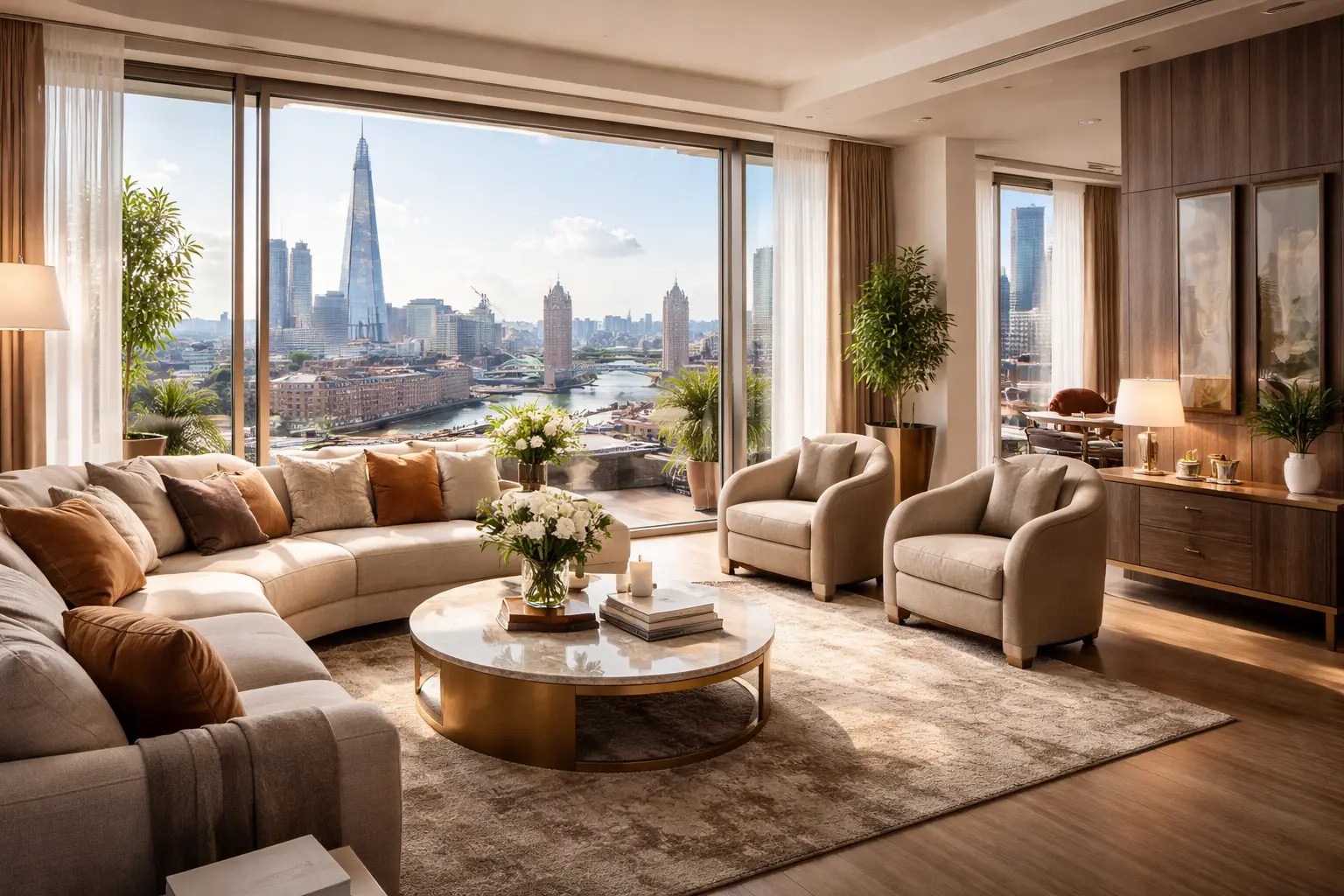
London Urban Living presents distinct demands. Residents live in compact flats, converted warehouses, and period terraces. Property prices remain high. Space often remains limited. Daily life moves at a fast pace. Interior Design provides structure and order in this setting. It shapes how people use space. It improves comfort. It supports wellbeing. It increases property value.
Interior Design does not focus only on decoration. It plans space with purpose. It connects layout, light, storage, colour, and furniture into one clear system. London Urban Living requires this system to work efficiently. Without careful planning, homes feel crowded and stressful. With clear design choices, homes feel organised and practical.
Interior Design supports modern city life. It helps residents manage limited square footage. It improves how rooms function. It creates a calm environment within a busy city. These factors explain why Interior Design plays a key role in London Urban Living.
Space Optimisation in Compact London Homes
London urban living often means adapting to smaller properties, where many flats measure under 70 square metres and some studio apartments offer even less. Thoughtful interior design becomes essential in ensuring that every corner serves a clear purpose. In compact homes, strategic planning and innovative Molecule Designs concepts can transform limited floor space into comfortable, highly functional living environments. By carefully considering layout, proportion, and visual balance, even the most modest interiors can feel open and well organised.
Designers analyse room dimensions with precision, mapping out furniture placement to eliminate wasted areas and improve flow. Multi-purpose pieces such as sofa beds, foldable tables, ottomans with hidden storage, and bespoke built-in cabinetry allow residents to enjoy flexibility without overcrowding the room. These practical choices increase usable space without altering the property’s footprint.
Open-plan layouts remain common across London developments. Interior design techniques help define clear zones within these shared spaces. Rugs anchor seating areas, pendant lighting highlights dining tables, while shelving units and subtle shifts in colour palette distinguish living, dining, and working areas. This structured approach enhances movement, supports daily routines, and creates a sense of order within compact urban homes.
Vertical space also matters. High ceilings in Victorian properties allow tall shelving and wall-mounted storage. Interior Design uses height effectively. This approach reduces clutter on the floor. Clear floors create a sense of openness.
In London Urban Living, space optimisation improves daily routines. Residents move easily. Storage remains accessible. Rooms serve clear purposes. Interior Design makes small homes function like larger ones.
Natural Light and Artificial Lighting Strategies
London weather includes frequent cloud cover. Many properties receive limited direct sunlight. Interior Design addresses this challenge through strategic lighting plans.
Designers position mirrors to reflect natural light. They use lighter wall colours to increase brightness. They avoid heavy window coverings that block daylight. These steps increase visual comfort.
Artificial lighting supports this system. Interior Design layers lighting into three types: ambient, task, and accent. Ambient lighting provides general illumination. Task lighting supports reading, cooking, and work. Accent lighting highlights architectural details or artwork.
In London Urban Living, many residents work from home. Good lighting reduces eye strain. It improves concentration. It supports mental clarity.
Lighting also affects mood. Warm light creates relaxation in bedrooms and living rooms. Cooler light improves focus in kitchens and home offices. Interior Design uses these principles to support daily life in London Urban Living.
Storage Solutions for Organised Urban Living
Clutter reduces comfort. London Urban Living often limits storage space. Many older properties lack built-in wardrobes. Interior Design resolves this issue through smart storage systems.
Built-in cabinets maximise wall space. Under-bed drawers store seasonal items. Hallway units organise shoes and coats. Kitchen cabinets extend to ceiling height. These methods increase storage without reducing floor area.
Interior Design also promotes minimalism. Designers encourage residents to keep essential items only. This approach prevents overcrowding. Clear surfaces improve focus and calm.
In family homes, storage planning becomes even more important. Children require space for toys and school materials. Interior Design includes flexible storage that adapts over time.
Organised homes reduce stress. Residents locate items quickly. Cleaning becomes easier. Daily routines run smoothly. These benefits strengthen the importance of Interior Design in London Urban Living.
Property Value and Market Appeal
London property prices remain high. Buyers and renters expect quality interiors. Interior Design increases property value and market appeal.
Well-designed interiors photograph well. Estate agents present these properties effectively. Buyers understand room function clearly. Neutral colour palettes attract wider audiences.
In rental markets, Interior Design increases tenant demand. Modern kitchens, efficient layouts, and integrated storage create competitive advantage. Landlords achieve higher rental yields when properties appear organised and updated.
London Urban Living attracts international buyers and professionals. Many seek move-in ready homes. Interior Design reduces the need for renovation. This convenience increases perceived value.
Investment in Interior Design often returns financial benefit. Upgraded lighting, flooring, and space planning improve long-term resale potential.
Supporting Wellbeing in a Fast-Paced City
London remains one of Europe’s busiest cities. Noise levels remain high. Work hours often extend beyond standard schedules. Interior Design creates a restorative environment inside the home.
Colour selection influences emotion. Soft neutrals calm the mind. Earth tones create stability. Balanced contrast prevents visual fatigue.
Furniture layout supports relaxation. Comfortable seating encourages rest. Clear pathways reduce visual stress. Plants improve air quality and introduce natural elements into London Urban Living.
Acoustic solutions also matter. Rugs, curtains, and upholstered furniture absorb sound. These elements reduce external noise from traffic and neighbours. Interior Design uses these materials to improve acoustic comfort.
A well-designed home supports mental health. Residents feel control over their environment. They experience reduced anxiety. Interior Design strengthens this sense of stability within London Urban Living.
Sustainability and Responsible Design Choices
Sustainability plays an important role in London Urban Living. Energy efficiency reduces utility costs. Interior Design supports responsible material selection.
Designers choose durable materials such as engineered wood and recycled metals. They select energy-efficient lighting systems. They install smart thermostats to regulate heating.
London properties often include older structures. Interior Design integrates insulation upgrades and draught-proofing where possible. These improvements reduce energy loss.
Sustainable Interior Design also promotes long-lasting furniture. Quality pieces reduce replacement frequency. This approach decreases waste.
Residents benefit from lower energy bills and improved indoor comfort. Sustainable decisions strengthen the long-term value of London Urban Living.
Adapting Period Properties to Modern Needs
London includes Georgian, Victorian, and Edwardian properties. These homes offer architectural character. They also present layout challenges. Interior Design balances tradition with modern function.
Designers retain original features such as fireplaces and cornicing. They update kitchens and bathrooms for modern standards. They integrate storage without damaging historic elements.
In London Urban Living, many residents require home office space. Interior Design converts alcoves or spare rooms into functional work areas. This adaptation maintains character while meeting current needs.
Careful planning preserves heritage while improving usability. Interior Design respects structural limits. It upgrades systems discreetly. This approach ensures that period homes remain practical for present-day London Urban Living.
Creating Identity and Personal Expression
London Urban Living includes diverse cultures and lifestyles. Interior Design reflects personal identity within limited space.
Colour schemes, artwork, and furniture style communicate taste and background. Designers ensure that personal expression does not reduce function. They balance style with practicality.
Clear design themes prevent visual confusion. Cohesive materials create harmony. Consistent finishes improve flow between rooms.
Personalised interiors increase emotional attachment to the home. Residents feel ownership and pride. Interior Design strengthens this connection in London Urban Living.
Technology Integration in Urban Homes
Technology supports modern city life. Interior Design integrates devices without visual clutter.
Smart lighting systems allow remote control. Built-in charging stations reduce cable exposure. Concealed wiring improves aesthetics.
Security systems provide reassurance. Video doorbells and alarm systems integrate into entry areas. Interior Design plans placement carefully to maintain visual order.
Home entertainment systems require acoustic planning. Designers position speakers and screens to optimise sound and viewing angles.
Technology improves convenience. Interior Design ensures that devices support daily life in London Urban Living without disrupting visual balance.
Conclusion
London Urban Living demands efficient use of space, light, and resources. Interior Design provides structured solutions. It organises compact layouts. It improves lighting quality. It increases storage capacity. It supports wellbeing. It raises property value. It promotes sustainability.
Homes in London must function under spatial and financial pressure. Interior Design responds with clear planning and purposeful choices. It transforms limited space into practical and comfortable living environments.
Residents benefit from improved daily routines and stronger emotional comfort. Property owners benefit from increased market appeal. Sustainable choices reduce long-term costs.
Interior Design remains essential for London Urban Living because it connects function, comfort, and value into one cohesive system.
 Every Thing Here