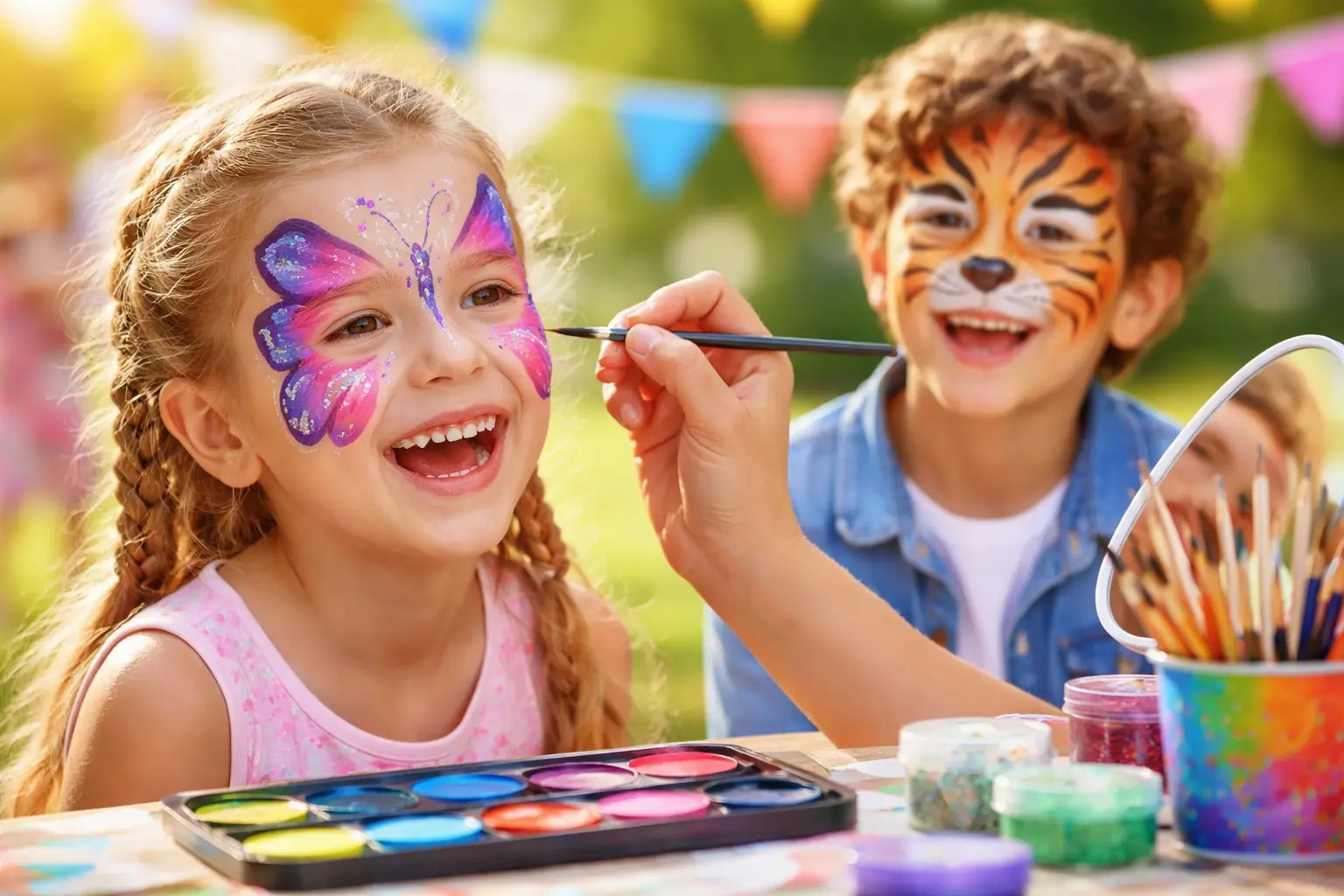
Face painting is a popular activity at every kids party. Parents often see it as simple fun for kids. However, face painting offers many deeper benefits. It supports learning, creativity, and social growth. It also helps children express feelings in a safe way. This article explains why face painting is more than just fun for kids. It shows how this activity supports child development in clear and practical ways.
Face Painting Builds Creativity
Face painting gives children a chance to create and imagine. A child can choose a design, color, and theme. The painter then turns that idea into a visual result. This process helps the child think in new ways.
Children often pick animals, superheroes, or fantasy shapes. Each choice reflects their thoughts and interests. When a child sees the final result, the child feels proud. This builds creative confidence.
Creative play also helps problem-solving skills. A child may change a design idea during the process. This change teaches flexibility. It also helps the child learn how to make decisions.
Face Painting Supports Self-Expression
Children do not always express feelings with words. Face painting gives another way to show emotions. A child may choose bright colors to show joy. A child may pick strong shapes to feel powerful.
This form of expression helps children understand their identity. It allows them to explore who they are. It also helps them feel seen and understood.
At a kids party, face painting often starts conversations. Other children ask about the design. This builds communication skills. It also helps children feel included in the group.
Face Painting Improves Social Skills
Face painting creates interaction between children. They watch each other get designs and talk about their choices and results. This shared excitement builds strong social connection and keeps them engaged. Activities like those offered by Wowzers bring more energy into group settings, where children feel encouraged to join and express themselves freely.
Children learn to wait for their turn during these moments, which teaches patience in a natural way. They also learn to respect others’ choices, as every child picks a different design. This highlights individuality and helps them understand that each person is unique.
Group activities like face painting help reduce shyness. A quiet child may feel more comfortable joining when they see others enjoying the same activity. The shared experience builds trust, improves communication, and creates a friendly environment where children connect with ease.
Face Painting Enhances Focus and Patience
Face painting requires a child to sit still for some time. This helps improve focus. The child learns to stay calm and follow instructions.
The process also teaches patience. A child waits while the painter works step by step. This helps build self-control. These skills support school learning later.
Parents often notice that children feel relaxed during face painting. The steady process creates a calm moment in a busy kids party.
Face Painting Encourages Role Play
After face painting, children often act as their chosen character. A child with a tiger design may act like a tiger. A child with a superhero design may pretend to save others.
Role play helps imagination grow. It also supports emotional understanding. A child learns how different characters behave. This builds empathy.
Role play also improves language skills. Children speak and act during play. This supports clear communication.
Face Painting Creates Positive Memories
Children remember fun events. A kids party with face painting often stays in memory for a long time. The child links the design with a happy moment.
Photos also capture these moments. Parents often take pictures of their children with painted faces. These images become part of family memories.
Positive experiences help emotional growth. A child who feels happy and safe builds strong mental health.
Face Painting Supports Sensory Development
Face painting involves touch, color, and visual patterns. These elements support sensory learning. A child feels the brush on the skin. The child sees colors mix and form shapes.
This experience helps the brain process sensory input. It supports coordination between sight and touch. These skills are important for early development.
Children who enjoy sensory play often engage more in learning activities. Face painting offers a safe and controlled sensory experience.
Face Painting Builds Confidence
When a child sees the final design, the child often feels excited. The child shows the face to others. This builds confidence.
Positive feedback from others increases self-esteem. When someone says, “You look great,” the child feels valued.
Confidence helps children try new things. A confident child participates more in group activities. This supports growth in many areas.
Face Painting Adds Value to a Kids Party
Face painting is a key activity at many kids party events. It keeps children engaged. It also gives structure to the event.
Parents find it useful because it holds attention. Children stay busy and happy. This reduces stress for event organizers.
Face painting also creates a central activity point. Children gather in one place. This helps manage the group easily.
Face Painting Is Safe When Done Properly
Safety is important in any activity. Face painting is safe when the painter uses skin-friendly products. Clean tools and proper hygiene also matter.
Parents should choose trained painters. A professional knows how to apply paint safely. The painter also understands skin sensitivity.
Safe face painting ensures a positive experience. It protects the child’s health while allowing full enjoyment.
Face Painting Teaches Color Recognition
Children learn about colors through face painting. They choose colors and see how they appear on the skin. This helps improve color recognition.
Mixing colors also teaches basic concepts. A child learns that red and yellow make orange. This supports early learning skills.
Color knowledge helps in school subjects like art and reading. It builds a strong base for future learning.
Face Painting Encourages Parent-Child Interaction
Parents often join the activity. They help children choose designs. They also take part in the moment.
This interaction strengthens the bond between parent and child. Shared activities build trust and connection.
Parents also understand their child’s preferences better. This helps in guiding future activities and interests.
Face Painting Supports Cultural and Event Themes
Face painting fits many themes. It works well for birthdays, school events, and festivals. It can match cultural symbols and designs.
This helps children learn about different traditions. It also adds meaning to the event.
Theme-based face painting makes a kids party more engaging. It creates a clear and fun atmosphere.
Conclusion
Face painting is more than simple fun for kids. It supports creativity, social skills, and emotional growth. It also helps with focus, confidence, and learning.
At a kids party, face painting plays an important role. It keeps children active and engaged. It creates happy memories and supports development.
Parents and organizers should see face painting as a valuable activity. It offers both fun and learning in one experience.
 Every Thing Here