Scale calibration plays a key role in accurate measurement. Many industries rely on precise weight data for daily work. A small error can lead to loss, safety issues, or legal problems. Regular scale calibration helps maintain accuracy and trust.
This article explains clear signs that show when you need professional scale calibration. Each section uses simple language and direct structure for easy understanding.
What Is Scale Calibration
Scale calibration means adjusting a scale to give correct weight readings. A technician checks the scale with known weights. The technician then adjusts the system to match true values.
Every scale can lose accuracy over time. Use, movement, and environment changes can affect results. Scale calibration fixes these issues and keeps measurements correct.
Why Scale Calibration Matters
Accurate weight data plays a critical role in maintaining smooth and reliable business operations across multiple industries, including food, healthcare, logistics, and manufacturing, where precision directly impacts quality and compliance. Even small measurement errors can lead to product loss, revenue discrepancies, customer dissatisfaction, or potential legal complications.
This is why businesses prioritize regular maintenance and scale calibration by Scales 4 U as part of their quality control processes, ensuring every measurement remains consistent and dependable. By implementing proper calibration practices, companies can minimize risks, improve operational efficiency, and maintain trust with their customers through accurate and transparent transactions.
Sign 1: Inconsistent Weight Readings
A clear sign of a problem is inconsistent readings. You place the same item on the scale many times. The scale shows different results each time.
This issue shows that the scale has lost accuracy. Internal parts may shift or wear out. Environmental factors may also affect readings.
Professional scale calibration can fix this issue. A technician checks the system and adjusts it to give stable results.
Sign 2: Sudden Changes in Measurement
A scale may show correct readings for a long time. Then the scale starts to show sudden changes. The weight may increase or decrease without reason.
This problem can happen due to internal faults. Electrical issues or sensor damage may cause this change.
Scale calibration can help identify and fix the issue. A technician tests the scale and restores correct function.
Sign 3: Physical Damage to the Scale
Physical damage affects scale performance. You may see cracks, loose parts, or bent surfaces. Even small damage can affect weight accuracy.
A scale works with precise sensors. Damage can disturb these sensors and cause wrong readings.
After any damage, you should schedule scale calibration. A technician will inspect the scale and correct any issues.
Sign 4: Scale Shows Zero Error
A scale should show zero when no weight is on it. If the scale shows a number instead of zero, this indicates an error.
This issue is called zero drift. It can happen due to temperature change or internal wear.
Scale calibration resets the zero point. This process ensures the scale starts from the correct base value.
Sign 5: Frequent Overload Usage
Each scale has a weight limit. If users place weight above this limit, the scale can lose accuracy.
Frequent overload can damage internal parts. The scale may still work, but the readings may not be correct.
You should perform scale calibration after overload events. A technician will check for damage and restore accuracy.
Sign 6: Changes in Environment
The environment affects scale performance. Temperature, humidity, and air pressure can impact readings.
A scale that moves from one place to another may lose accuracy. A scale that works in extreme conditions may also show errors.
After any major change, schedule scale calibration. This step ensures the scale works correctly in the new environment.
Sign 7: Long Time Since Last Calibration
Every scale needs regular calibration. If a long time has passed since the last check, accuracy may decrease.
Many industries follow a schedule for scale calibration. This schedule depends on usage and industry rules.
If you do not know the last calibration date, you should arrange a new calibration. Regular checks prevent long-term errors.
Sign 8: Compliance and Audit Requirements
Many industries follow strict rules. Authorities require accurate measurement records. These rules apply to sectors like healthcare and food production.
Audits may check your equipment. If your scale is not calibrated, you may fail the audit.
Scale calibration ensures compliance with standards. It also provides proof of accuracy during inspections.
Sign 9: Customer Complaints About Weight
Customers may report issues with product weight. They may say the product feels lighter or heavier than expected.
This feedback may point to a scale issue. Incorrect readings can affect product quantity and trust.
You should check your equipment in this case. Scale calibration helps confirm and fix the problem.
Sign 10: Unusual Error Messages
Modern scales use digital systems. These systems may show error messages. These messages can indicate internal problems.
Common errors include sensor faults or system failure. These issues affect measurement accuracy.
A professional technician can read these errors. Scale calibration can fix or confirm the issue.
How Often Should You Perform Scale Calibration
The frequency of scale calibration depends on use. A scale in heavy use needs more frequent checks. A scale in light use may need fewer checks.
A common rule is to calibrate every few months. Some industries require monthly or weekly checks.
You should also calibrate after any major event. These events include damage, movement, or overload.
Benefits of Professional Scale Calibration
Professional scale calibration offers many benefits. A trained technician uses standard weights and tools. This process ensures high accuracy.
A technician can also detect hidden issues. Early detection prevents bigger problems later.
Professional calibration also provides documentation. This record supports audits and quality checks.
Risks of Ignoring Scale Calibration
Ignoring scale calibration can cause serious problems. Incorrect data can lead to financial loss. A business may lose trust due to wrong measurements.
Safety risks can also increase. In some industries, wrong weight can affect safety standards.
Regular scale calibration reduces these risks. It keeps operations smooth and reliable.
Steps in Professional Scale Calibration
A technician follows a clear process. First, the technician inspects the scale. The technician checks for damage or wear.
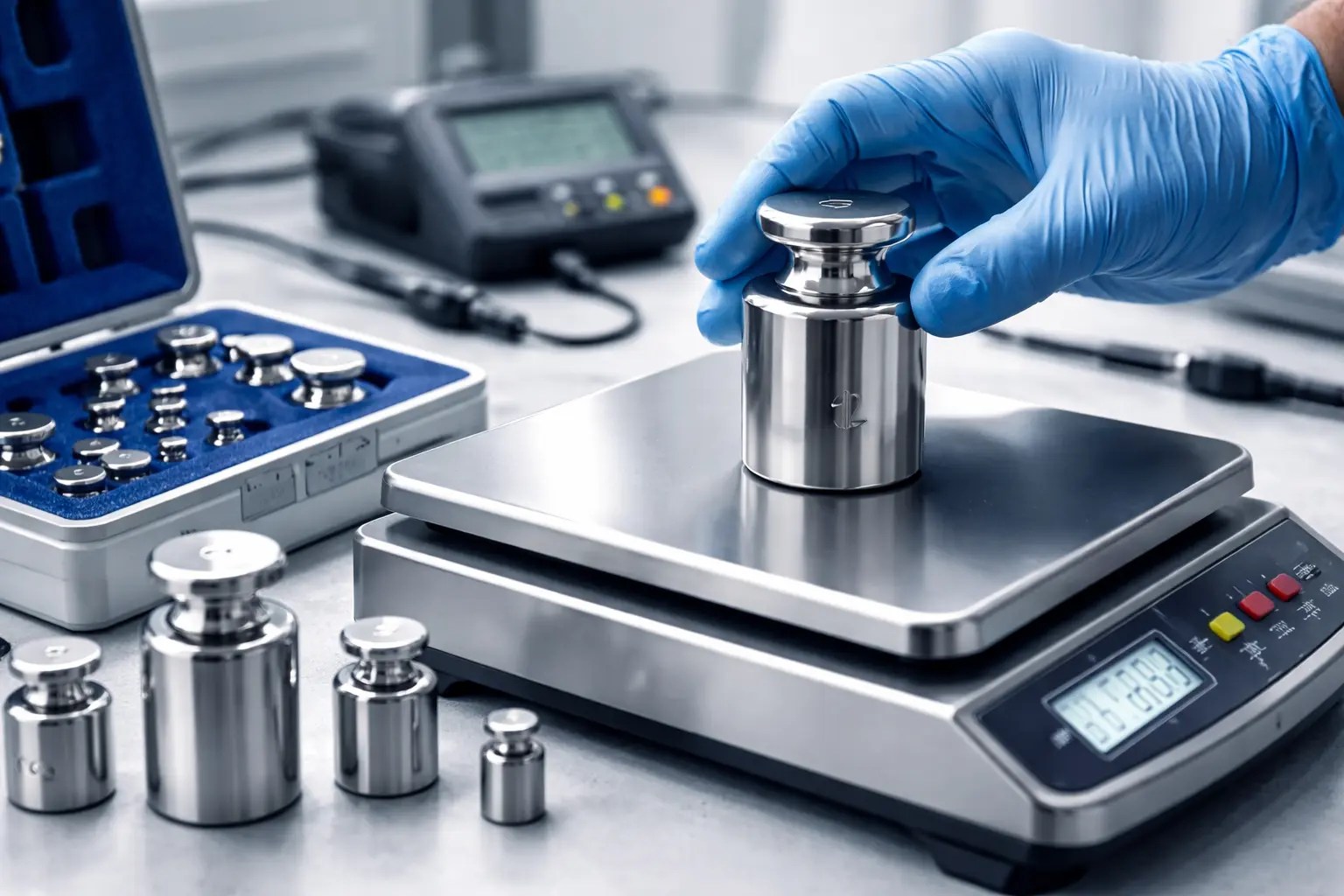
Next, the technician uses standard weights. These weights have known values. The technician compares scale readings with these values.
If the readings are off, the technician adjusts the scale. The technician then tests the scale again to confirm accuracy.
How to Choose a Scale Calibration Service
Choose a service with trained technicians. Check their experience and certification. A good provider uses certified weights and tools.
Ask for documentation after calibration. This record proves that your scale meets standards.
A reliable service ensures accurate and consistent results.
Final Thoughts on Scale Calibration
Scale calibration supports accuracy in daily work. Many signs can show that a scale needs attention. These signs include inconsistent readings, damage, and long gaps between checks.
Regular calibration helps maintain trust and quality. It also supports compliance with industry rules.
You should treat scale calibration as a routine task. This step ensures that your measurements remain correct and reliable.
 Every Thing Here