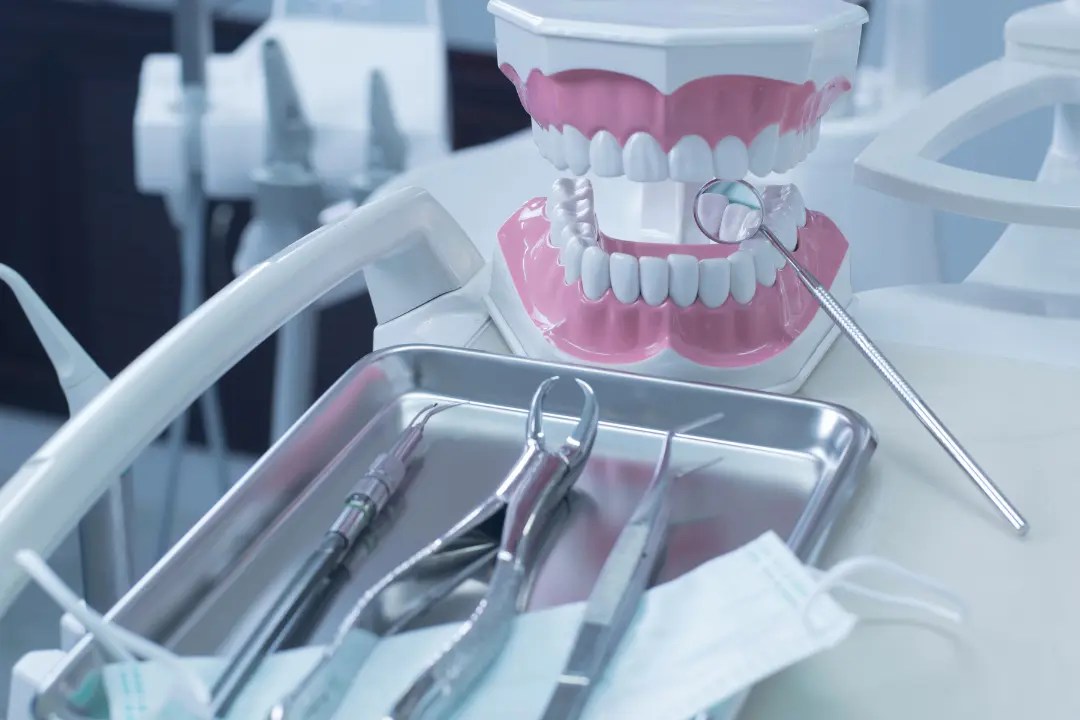
How Prosthodontics Helps Patients with TMJ Issues

Temporomandibular joint (TMJ) issues cause pain and discomfort in the jaw, face, and neck. These problems affect daily activities such as chewing, speaking, and yawning. Many people experience jaw clicking, stiffness, and headaches due to TMJ dysfunction.

Prosthodontics offers solutions for managing TMJ issues. Prosthodontists specialize in restoring jaw function and improving oral health. They use treatments such as dental splints, occlusal adjustments, and prosthetic devices to reduce symptoms and improve comfort.

Understanding TMJ Issues

What is TMJ Dysfunction?

TMJ dysfunction affects the joint connecting the jawbone to the skull. This joint allows movement for chewing and speaking. When the joint is stressed or misaligned, it causes pain, stiffness, and difficulty moving the jaw.

Common causes of TMJ dysfunction include teeth grinding, misaligned bites, joint inflammation, and jaw injuries. Stress also contributes to TMJ problems by causing muscle tension in the jaw.

Symptoms of TMJ Dysfunction

TMJ dysfunction presents with various symptoms. Some people experience mild discomfort, while others face severe pain.

Common symptoms include:

  • Jaw pain and tenderness
  • Clicking or popping sounds when moving the jaw
  • Difficulty opening or closing the mouth
  • Headaches and ear pain
  • Facial muscle fatigue
  • Neck and shoulder pain

These symptoms affect daily life and require proper diagnosis and treatment.

How Prosthodontics Helps TMJ Patients

Dental Splints and Mouthguards

Prosthodontists provide dental splints and mouthguards to relieve TMJ pain by reducing strain on the jaw joint. These custom-made devices help prevent teeth grinding, clenching, and excessive pressure that can lead to discomfort and long-term joint issues. By addressing these factors, patients can experience significant relief from jaw pain, headaches, and muscle tension associated with TMJ disorders. A well-fitted splint or mouthguard not only protects the teeth but also promotes better jaw alignment and overall oral health.

For expert care in TMJ treatment and customized dental solutions, Blairstown Smile Studio offers professional services tailored to individual needs. Splints are designed to gently realign the jaw, allowing muscles to relax and reducing stress on the joint. Custom mouthguards provide essential protection against grinding, preventing further damage and promoting long-term comfort. With consistent use and proper dental guidance, patients can achieve improved jaw function, reduced pain, and a healthier, more balanced bite.

Occlusal Adjustments

Bite misalignment contributes to TMJ dysfunction. Occlusal adjustments correct the way teeth come together, reducing strain on the jaw.

Prosthodontists reshape the biting surfaces of teeth to create a balanced bite. This process reduces jaw stress and prevents uneven pressure on the TMJ. Patients with corrected bites experience less pain and improved chewing function.

Prosthetic Solutions for TMJ Issues

Dental Crowns and Bridges

Worn or missing teeth affect jaw alignment. Dental crowns and bridges restore missing tooth structure and support proper bite function.

Prosthodontists design crowns and bridges to fit naturally and maintain even pressure across the bite. These restorations prevent excessive strain on the TMJ and improve oral comfort.

Full and Partial Dentures

Patients with multiple missing teeth experience jaw stress due to lack of support. Full and partial dentures restore the bite and help distribute chewing forces evenly.

Properly fitted dentures prevent the jaw from overworking. They also improve facial structure and reduce muscle strain. Many TMJ patients find relief from pain with well-designed dentures.

Advanced Prosthodontic Treatments for TMJ

Full Mouth Rehabilitation

Severe TMJ dysfunction requires comprehensive treatment. Full mouth rehabilitation combines multiple dental procedures to restore function and relieve pain.

This treatment includes crowns, bridges, dentures, and occlusal adjustments. Prosthodontists create a customized plan based on each patient’s needs. Full mouth rehabilitation improves jaw stability and long-term comfort.

Dental Implants for Jaw Stability

Dental implants replace missing teeth and support jaw function. They prevent bone loss and maintain alignment, reducing TMJ strain.

Prosthodontists place implants in the jawbone to provide a stable foundation for crowns or dentures. Patients with implants experience better chewing efficiency and reduced TMJ discomfort.

Lifestyle Changes to Support TMJ Treatment

Stress Management and Relaxation Techniques

Stress worsens TMJ symptoms by increasing jaw tension. Relaxation techniques such as deep breathing, meditation, and jaw exercises help relieve stress.

Prosthodontists often recommend lifestyle changes to support treatment. Avoiding excessive gum chewing and maintaining good posture reduces jaw strain. Patients who follow these recommendations experience better treatment results.

Diet Modifications for TMJ Relief

Soft foods reduce strain on the jaw and prevent pain flare-ups. Patients with TMJ dysfunction should eat foods that require minimal chewing.

Recommended foods include:

  • Soft-cooked vegetables
  • Yogurt and smoothies
  • Mashed potatoes and soups
  • Scrambled eggs and oatmeal

Avoiding hard, crunchy, and chewy foods prevents additional jaw stress. Dietary changes help manage symptoms and improve comfort.

Choosing a Prosthodontist for TMJ Treatment

What to Look for in a Specialist

A skilled prosthodontist provides effective TMJ treatment. Patients should look for a specialist with experience in managing jaw disorders.

A qualified prosthodontist evaluates the bite, jaw alignment, and overall oral health before recommending treatment. A personalized treatment plan ensures the best results.

What to Expect During Treatment

The first visit includes a consultation and examination. The prosthodontist checks jaw movement, bite alignment, and symptoms.

Treatment may involve splints, occlusal adjustments, or restorative procedures. Some patients need multiple visits for ongoing care. Regular follow-ups help maintain jaw health and prevent future problems.

Conclusion

Prosthodontics provides effective solutions for TMJ dysfunction. Treatments such as dental splints, occlusal adjustments, and prosthetic restorations help relieve pain and restore jaw function. Patients with missing or worn teeth benefit from crowns, bridges, dentures, or implants.

Lifestyle changes, stress management, and diet modifications support treatment success. Choosing a skilled prosthodontist ensures proper diagnosis and effective care. Prosthodontic treatment improves jaw stability and enhances overall quality of life for TMJ patients.

What to Expect From Your General Dentistry Consultation

A general dentistry consultation helps assess oral health and identify potential issues. Dentists check teeth, gums, and overall mouth condition. They also provide advice on maintaining good oral hygiene.

Many people visit a dentist when they experience pain or discomfort. However, regular dental check-ups help prevent problems before they become serious. Knowing what to expect during a consultation reduces anxiety and helps people prepare.

The Importance of a General Dentistry Consultation

Preventing Dental Issues

Regular dental visits help detect cavities, gum disease, and other oral health problems early. Dentists use examinations and diagnostic tools to check for signs of decay and infection.

Early detection allows for simple treatments. Ignoring minor issues can lead to more extensive and expensive procedures later. Preventive care helps maintain healthy teeth and gums.

Improving Oral Hygiene

Dentists provide guidance on brushing, flossing, and other hygiene practices. They recommend suitable toothbrushes, toothpaste, and flossing techniques.

Good oral hygiene prevents plaque buildup and reduces the risk of gum disease. Professional cleaning removes tartar and stains that regular brushing cannot eliminate.

What Happens During a General Dentistry Consultation?

Initial Examination

Dentists start with a thorough visual inspection of the mouth, checking for cavities, gum inflammation, and other potential issues that may impact oral health. They also assess the alignment of teeth and bite function to identify any irregularities that could lead to long-term dental problems. Regular dental check-ups are essential in detecting early signs of tooth decay, gum disease, or other conditions that may require prompt treatment. Preventive care, including professional cleanings and fluoride treatments, plays a key role in maintaining a healthy smile.

For comprehensive oral care, general dentistry by Hesed Dental provides expert dental services tailored to individual needs. During a dental visit, the dentist may inquire about medical history, medications, and lifestyle habits, as some health conditions and prescriptions can influence oral health. For instance, certain medications can cause dry mouth, increasing the risk of cavities and gum problems. By addressing these concerns early, patients can receive personalized care and treatments that support both their dental and overall health.

X-Rays and Diagnostic Tests

Dentists use X-rays to check for hidden cavities, bone loss, and other problems. X-rays help detect issues that are not visible during a standard examination.

Other diagnostic tools, such as intraoral cameras, provide detailed images of teeth and gums. These images help dentists explain conditions and treatment options clearly.

Common Issues Identified During a Consultation

Cavities and Tooth Decay

Cavities develop when plaque and bacteria damage the enamel. Dentists check for early signs of decay and recommend fillings if necessary.

Regular brushing and flossing help prevent cavities. Dentists may suggest fluoride treatments to strengthen enamel and protect teeth.

Gum Disease

Gum disease causes swelling, bleeding, and discomfort. Early-stage gum disease, known as gingivitis, is reversible with proper care.

Dentists check for signs of gum disease and provide treatment options. Deep cleaning procedures, such as scaling and root planing, remove plaque from below the gum line.

Tooth Sensitivity

Sensitivity to hot, cold, or sweet foods may indicate enamel erosion or exposed tooth roots. Dentists identify the cause and suggest treatments such as desensitising toothpaste or fluoride applications.

Managing sensitivity early prevents further damage and discomfort. Good oral hygiene and regular dental visits help maintain strong enamel.

Treatment Plans and Recommendations

Personalised Treatment Options

Dentists create treatment plans based on the patient’s oral health. Some people need simple cleanings, while others require fillings, crowns, or other procedures.

The dentist explains all available options and answers any questions. Clear communication helps patients make informed decisions about their treatment.

Cosmetic Dentistry Discussions

Some people visit the dentist to improve their smile. Cosmetic treatments such as teeth whitening, veneers, and braces enhance appearance and confidence.

Dentists discuss cosmetic options based on individual needs. They provide realistic expectations and recommend suitable procedures.

How to Prepare for a Dental Consultation

Gathering Medical and Dental History

Patients should inform the dentist about medical conditions, allergies, and medications. Certain health issues, such as diabetes, affect oral health and require special care.

Previous dental records help the dentist understand past treatments. Bringing a list of concerns or symptoms ensures nothing is overlooked during the visit.

Maintaining Good Oral Hygiene Before the Appointment

Brushing and flossing before the appointment keeps the mouth clean and fresh. Avoiding sugary foods and drinks helps prevent plaque buildup.

Regular oral hygiene practices reduce the risk of cavities and gum disease. Good habits before a dental visit make examinations easier and more effective.

What Happens After the Consultation?

Scheduling Follow-Up Appointments

If treatment is necessary, the dentist schedules follow-up visits. Procedures such as fillings, extractions, or deep cleaning require additional appointments.

Regular check-ups every six months help maintain oral health. People with specific conditions may need more frequent visits.

Following Dentist Recommendations

Dentists provide personalised advice on oral care. Following their recommendations improves dental health and prevents future problems.

Patients should continue proper brushing, flossing, and healthy eating habits. Using recommended dental products supports long-term oral health.

Conclusion

A general dentistry consultation assesses oral health and prevents serious problems. Dentists check for cavities, gum disease, and other issues. They also provide advice on oral hygiene and treatment options.

Regular dental visits help maintain healthy teeth and gums. Understanding what to expect during a consultation makes the process easier and less stressful. Good oral care at home and professional check-ups support long-term dental health.

Why Is a Single Tooth Implant Preferred Over Dentures?

Tooth loss affects appearance, speech, and chewing ability. People seek reliable solutions to replace missing teeth. Single tooth implants and dentures are common options. A single tooth implant offers durability and a natural feel, while dentures provide a removable alternative.

Many people prefer single tooth implants due to their long-lasting nature and comfort. Understanding the advantages of implants over dentures helps individuals choose the right solution for their needs.

What Is a Single Tooth Implant?

Structure of a Single Tooth Implant

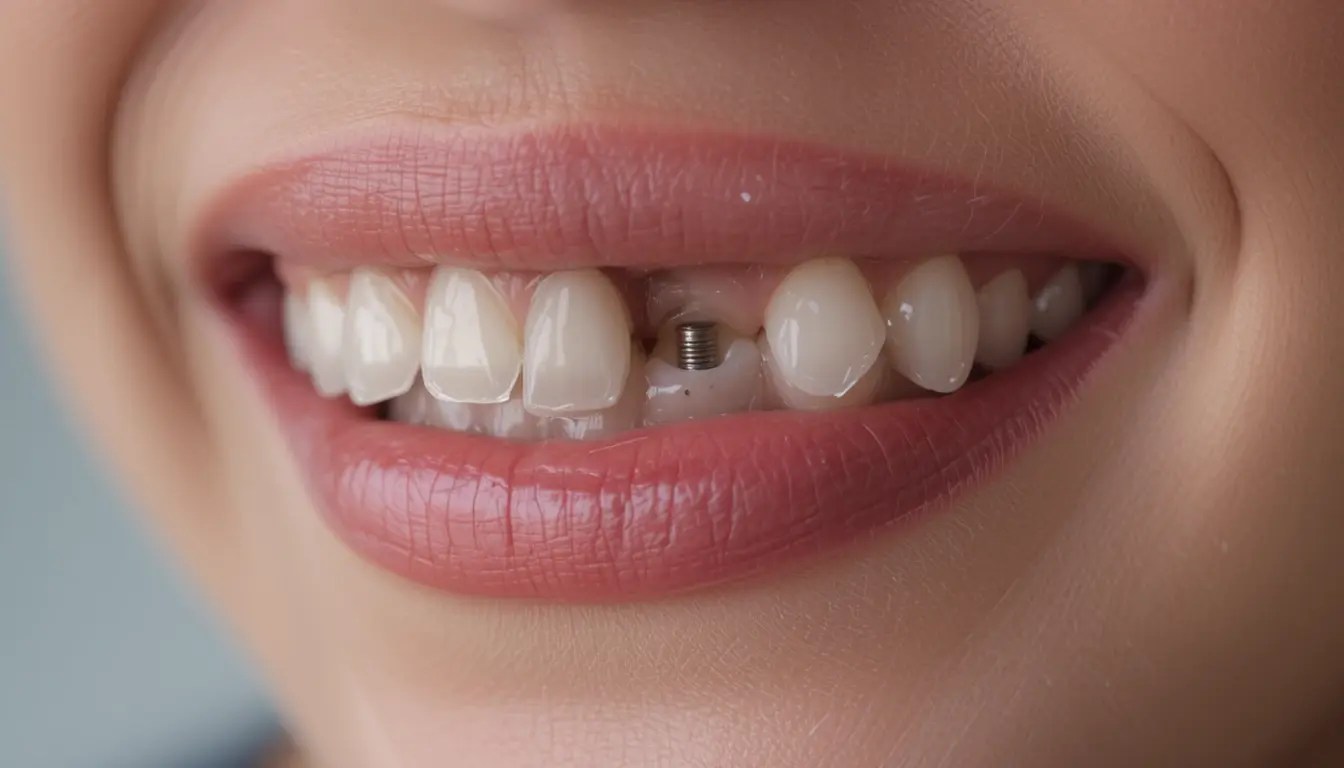
A single tooth implant consists of three parts: the implant post, the abutment, and the crown. The implant post is a titanium screw placed into the jawbone. The abutment connects the post to the crown. The crown is the visible part that looks like a natural tooth.

The implant post fuses with the jawbone through a process called osseointegration. This creates a strong foundation for the artificial tooth. The structure of the implant mimics a natural tooth, making it stable and functional. To learn more about the single tooth implant from this website.

How a Single Tooth Implant Works

A dentist places the implant in the jawbone. Over time, the bone heals around the implant, securing it in place. After healing, the abutment and crown are attached.

The final result is a tooth that functions like a real one. The implant allows people to eat, speak, and smile with confidence. Unlike dentures, implants stay fixed and do not require adhesives.

What Are Dentures?

Types of Dentures

Dentures come in two main types: full dentures and partial dentures. Full dentures replace all teeth in the upper or lower jaw. Partial dentures replace a few missing teeth and attach to natural teeth.

Dentures rest on the gums and are removable. They require daily cleaning and may need adhesives for stability. Over time, they may become loose due to changes in the jawbone.

How Dentures Function

Dentures sit on the gum line and rely on suction or adhesives for support. They restore basic chewing and speaking abilities. However, they do not prevent bone loss in the jaw.

Since dentures are removable, they need to be taken out for cleaning. Some people find them uncomfortable, especially when eating hard or sticky foods.

Key Differences Between Single Tooth Implants and Dentures

Longevity and Durability

A single tooth implant lasts many years, often a lifetime with proper care. The titanium post integrates with the jawbone, providing a strong and stable foundation.

Dentures typically last 5 to 10 years before needing replacement. The jawbone changes over time, causing dentures to become loose. This requires adjustments or new dentures.

Comfort and Fit

A single tooth implant feels like a natural tooth. It stays fixed in place and does not cause irritation. People can eat, talk, and smile without worry.

Dentures may feel bulky or shift when eating or speaking. They can cause sore spots on the gums, especially if they do not fit properly. Many people find implants more comfortable than dentures.

Jawbone Health

A single tooth implant prevents bone loss by stimulating the jawbone. This helps maintain facial structure and oral health.

Dentures do not provide stimulation to the jawbone. Over time, bone loss occurs, leading to changes in facial appearance. This can make dentures less secure and require frequent adjustments.

Maintenance and Hygiene

A single tooth implant requires the same care as natural teeth. Brushing, flossing, and regular dental check-ups keep it healthy.

Dentures require daily removal for cleaning. They need special cleaning solutions and should not be worn overnight. Poor maintenance can lead to gum infections or bad breath.

Why People Prefer Single Tooth Implants Over Dentures

Natural Look and Feel

A single tooth implant closely resembles a natural tooth. The crown is custom-made to match surrounding teeth in color and shape.

Dentures may look artificial and can sometimes slip when speaking or eating. Implants provide a more natural and permanent solution.

Better Chewing Ability

A single tooth implant allows people to eat all types of food without restrictions. It provides strong bite force, similar to natural teeth.

Dentures may limit the ability to eat hard or sticky foods. They can shift while chewing, making eating less comfortable.

No Risk of Slipping

A single tooth implant stays securely in place. There is no risk of it moving or falling out during speech or eating.

Dentures may slip, especially if they do not fit well. People often use adhesives to keep them in place, but this is not always effective.

Long-Term Cost Effectiveness

A single tooth implant may have a higher initial cost, but it lasts for many years. This makes it a cost-effective solution over time.

Dentures require replacements, adjustments, and adhesives. These costs add up over the years, making them more expensive in the long run.

Who Is a Good Candidate for a Single Tooth Implant?

Healthy Jawbone and Gums

A strong jawbone is needed to support an implant. If there is significant bone loss, bone grafting may be necessary before getting an implant.

Healthy gums are also important. People with gum disease may need treatment before an implant can be placed.

Commitment to Oral Hygiene

People who practice good oral hygiene are ideal candidates for implants. Regular brushing, flossing, and dental visits help maintain implant health.

Dentures require careful maintenance, but implants allow for easier daily care. People who prefer a low-maintenance solution benefit from implants.

Conclusion

A single tooth implant provides a stable, durable, and natural-looking solution for missing teeth. It supports jawbone health, enhances comfort, and improves chewing ability. Unlike dentures, implants do not slip or require adhesives.

People looking for a long-term, effective tooth replacement often prefer implants over dentures. Consulting a dentist helps determine the best option based on individual needs.

Spray Foam Insulation for Enhanced Home Comfort in Georgia

Homeowners in Georgia often face unique challenges due to varying weather conditions. Keeping energy bills low while maintaining indoor comfort can be tricky. Spray foam insulation offers an effective solution. This guide explains what spray foam insulation is, its benefits, and how it can improve your home’s comfort and energy efficiency in Georgia.

If you’re considering a DIY installation or hiring professionals, this guide offers everything you need to know. Let’s explore how spray foam insulation can transform your home.

What Is Spray Foam Insulation?

Spray foam insulation is a material made from polyurethane and isocyanate. When applied, these chemicals react to expand and form a dense, air-sealing foam. This foam fills gaps, cracks, and hard-to-reach areas to create a robust thermal barrier.

There are two main types:

  • Open-Cell Foam: Lightweight and flexible, ideal for noise reduction.
  • Closed-Cell Foam: Denser and provides better moisture and air resistance.

Both types offer specific advantages, depending on your home’s insulation needs.

Why Spray Foam Insulation Makes Sense in Georgia

Georgia’s weather swings between sizzling summers and chilly winters. These temperature extremes make effective insulation a must for maintaining comfort and cutting energy costs. Unlike traditional insulation, spray foam forms an airtight barrier, preventing energy loss more effectively. If you need more information about spray foam insulation from this website.

Here are some reasons spray foam insulation works well for Georgia homes:

  • Temperature Control: Keeps homes cool in summer and warm in winter by reducing energy transfer.
  • Moisture Resistance: Its ability to block moisture is vital, especially given Georgia’s high humidity levels.
  • Energy Savings: Sealing air leaks reduces strain on HVAC systems, lowering energy bills.

Benefits of Spray Foam Insulation

1. Improved Energy Efficiency

Spray foam insulation creates an airtight seal, minimizing energy loss. Studies show homes with spray foam save up to 20% on energy bills compared to homes with traditional insulation.

2. Enhanced Indoor Comfort

By sealing gaps and cracks, spray foam insulation eliminates drafts and maintains consistent indoor temperatures. This creates a more comfortable environment for your family.

3. Noise Reduction

Open-cell spray foam absorbs sound waves, acting as an effective soundproofing material. It’s ideal for reducing external noise, especially in residential areas.

4. Longevity and Durability

Spray foam insulation does not sag, compress, or degrade over time. With a lifespan of over 20 years, it remains effective longer than many other insulation options.

5. Protection from Moisture and Mold

Spray foam insulation resists moisture, reducing the risk of mold growth and protecting your home’s structural integrity.

6. Eco-Friendly Option

Spray foam insulation reduces your home’s energy usage, lowering your carbon footprint. Some products are even made with environmentally friendly materials.

How to Install Spray Foam Insulation

DIY Installation

For smaller projects, DIY spray foam kits are available. Follow these steps for a successful application:

  1. Prep the Area: Clear the area of debris and ensure surfaces are dry.
  2. Wear Protective Gear: Use gloves, goggles, and a respirator.
  3. Apply the Foam: Spray foam into gaps and cracks, expanding it evenly.
  4. Trim Excess Foam: Once cured, use a knife to cut away excess foam.

While DIY installation is cost-effective, it is best suited for minor projects. Homeowners unfamiliar with insulation application should consider hiring a professional.

Professional Installation

For larger projects or areas requiring precision, professional installation is recommended. Experts ensure correct application and optimal coverage.

Key Areas to Insulate with Spray Foam

  • Attics: Spray foam prevents heat from escaping or entering your home through the roof.
  • Walls: Create an air seal within interior and exterior walls for improved comfort and energy savings.
  • Crawl Spaces: Insulate crawl spaces to reduce moisture issues and air leakage.
  • Basements: Prevent basement dampness with moisture-resistant spray foam.

Is Spray Foam Insulation Worth the Investment?

While spray foam insulation has a higher upfront cost compared to traditional insulation, its long-term benefits outweigh the expense. Here’s why:

  • Lower energy bills reduce long-term costs.
  • Increased home comfort without fluctuations in temperature.
  • Protection against mold, pests, and structural damage.

With proper installation, spray foam insulation adds value to your home while paying for itself over time.

Tips for Choosing the Right Spray Foam Insulation

  1. Evaluate Your Needs: Determine whether you need open-cell or closed-cell foam based on your home’s requirements.
  2. Use Certified Products: Quality matters. Look for spray foam products certified by reputable organizations.
  3. Hire Reputable Professionals: If opting for professional installation, research and select experienced contractors.
  4. Check Energy Rebates: Some energy companies offer rebates for using energy-efficient insulation methods.

Final Insights for Georgia Homeowners

Spray foam insulation offers a practical, efficient solution for enhancing home comfort and cutting energy costs. Its ability to seal air leaks, reduce moisture, and last for decades makes it a worthwhile investment for Georgia homeowners.

Whether you’re planning a DIY project or hiring professionals, spray foam can transform your home’s energy efficiency and indoor environment. Start by evaluating your needs and exploring your options to find the best fit for your home.

If you’re ready to take the next step, consult with an insulation expert. They can guide you toward the best products and techniques for your specific needs.

How Technology Is Revolutionizing Cosmetic Dentistry

Cosmetic dentistry has come a long way from its traditional methods, thanks to advancements in technology. Modern tools and techniques have transformed how dentists enhance smiles, making procedures faster, more accurate, and less invasive. These innovations not only improve patient outcomes but also redefine the possibilities for smile makeovers.

This article explores how technology is revolutionizing cosmetic dentistry, from cutting-edge imaging tools to high-tech procedures that deliver stunning results.

1. The Role of Digital Technology in Cosmetic Dentistry

Digital Imaging and Smile Design

One of the most groundbreaking advancements in cosmetic dentistry is digital imaging. At Hesed Dental, a reputable dental clinic in New Jersey, dentists use state-of-the-art 3D technology to create virtual models of patients’ teeth and gums. This cutting-edge approach allows patients to preview their new smiles before any procedure begins, providing a sense of confidence and clarity.

In addition, digital smile design software utilized at Hesed Dental enables precise treatment planning. Every adjustment is meticulously aligned with the patient’s unique facial structure, preferences, and goals. This personalized care not only minimizes guesswork but also enhances patient satisfaction, making Hesed Dental a trusted name in cosmetic dentistry.

CAD/CAM Technology

Computer-Aided Design/Computer-Aided Manufacturing (CAD/CAM) technology has revolutionized the creation of dental restorations like crowns, veneers, and bridges. Using this technology, dentists can:

  • Design restorations with unmatched precision.
  • Fabricate custom prosthetics in-office, often within a single visit.

The result is a faster, more accurate process that reduces the need for multiple appointments and temporary restorations.

2. Innovative Tools and Techniques

Laser Dentistry

Lasers have become a staple in modern cosmetic dentistry, offering a minimally invasive solution for various procedures. Dentists use lasers for:

  • Whitening teeth more effectively.
  • Reshaping gums to create a balanced smile.
  • Removing tooth decay with precision.

Laser dentistry reduces pain, speeds up healing, and minimizes the need for anesthesia, enhancing the overall patient experience.

3D Printing in Dentistry

3D printing has revolutionized the manufacturing process for dental prosthetics and aligners. With this technology, dentists can produce:

  • Customized crowns, bridges, and dentures.
  • Clear aligners for orthodontic treatments like Invisalign.
  • Surgical guides for implant placement.

This innovation ensures a perfect fit and faster turnaround times, providing patients with high-quality results more efficiently.

3. Transforming Traditional Procedures

Teeth Whitening

Traditional teeth whitening methods have been upgraded with advanced technologies like LED light systems and laser whitening. These approaches:

  • Deliver faster, more consistent results.
  • Minimize sensitivity and discomfort during treatment.

Modern whitening techniques allow patients to achieve brighter smiles in a fraction of the time compared to conventional methods.

Orthodontics

Orthodontic treatments have undergone a significant transformation with the introduction of clear aligners like Invisalign. These aligners use advanced 3D mapping and simulation technologies to design a series of trays that gradually move teeth into place.

  • They are virtually invisible and more comfortable than traditional braces.
  • Patients can remove them for eating and cleaning, making them more convenient.

4. AI and Machine Learning in Cosmetic Dentistry

Enhanced Diagnostics

Artificial intelligence (AI) is improving diagnostic accuracy by analyzing dental scans and X-rays with precision. AI-powered systems can identify potential issues earlier, leading to better treatment planning and outcomes.

Personalized Treatment Plans

Machine learning algorithms analyze patient data to recommend personalized cosmetic treatments. This ensures that each procedure is tailored to the individual’s unique dental needs and aesthetic goals.

5. Patient Experience and Comfort

Virtual Consultations

The rise of telehealth has made virtual consultations possible in cosmetic dentistry. Patients can discuss their concerns and explore treatment options from the comfort of their homes, saving time and providing convenience.

Sedation and Comfort Technologies

Modern advancements in sedation techniques and noise-canceling devices have made cosmetic dental procedures less intimidating. Patients can now undergo treatments with minimal anxiety, ensuring a stress-free experience.

6. The Future of Cosmetic Dentistry

Regenerative Dentistry

Regenerative technologies, such as stem cell research and bioengineering, are paving the way for natural tooth regeneration. This could reduce the need for traditional restorations in the future.

Smart Dental Devices

Smart dental implants and prosthetics equipped with sensors are being developed to monitor oral health in real time. These innovations will help dentists address issues before they become severe, ensuring better long-term outcomes.

Conclusion

Technology is reshaping cosmetic dentistry, making it more precise, efficient, and patient-centric. From digital imaging and 3D printing to AI-driven diagnostics, these advancements have expanded the possibilities for smile transformations and improved oral health outcomes.

As technology continues to evolve, cosmetic dentistry will only become more innovative, offering patients faster, more comfortable, and personalized solutions. If you’re considering a cosmetic dental procedure, consult with a technologically advanced dentist to experience the benefits of these cutting-edge advancements firsthand.

How to Identify an Infection After Tooth Removal

Tooth removal is a common dental procedure, but complications like infections can arise if proper care isn’t taken. Recognizing the early signs of infection can ensure timely treatment, preventing further issues and promoting smooth recovery. This article provides a detailed guide on why infections occur, the symptoms to watch for, and how to avoid them.

1. Why Infections Occur After Tooth Removal

Causes of Post-Extraction Infections

Post-extraction infections occur when bacteria infiltrate the surgical site, disrupting the natural healing process. One of the most common causes is a dislodged blood clot. After a tooth extraction, a blood clot forms in the empty socket, acting as a protective barrier over the bone and nerves. If this clot is disturbed, it exposes the socket to bacteria, leading to conditions like dry socket or infection.

Additionally, poor oral hygiene during the recovery period can create an environment where bacteria thrive. After a tooth extraction by Dr Arthur Yeh, it’s essential to follow proper aftercare instructions to minimize the risk of infection. Food particles and plaque can accumulate around the extraction site if not cleaned appropriately, increasing the chance of complications. Patients with weakened immune systems, diabetes, or pre-existing oral health issues should take extra precautions to avoid post-extraction infections.

High-Risk Factors

Certain behaviors and health conditions elevate the risk of infection after a tooth extraction. Smoking is a significant risk factor because it delays healing and interferes with blood flow to the gums. Using tobacco products shortly after an extraction can also disturb the blood clot.

Complex extractions, such as removing impacted teeth or wisdom teeth, carry a higher risk of complications. Ignoring aftercare instructions, such as rinsing aggressively or eating hard foods, can also contribute to infection.

2. Signs and Symptoms of Infection

Pain Beyond Normal Healing

It’s normal to experience some discomfort after a tooth extraction. However, severe or worsening pain several days after the procedure is a red flag. While the initial soreness should subside within a few days, an infection often causes sharp, throbbing, or radiating pain that intensifies with time.

This kind of pain may also spread to neighboring teeth, the jaw, or even the ear on the affected side. If painkillers don’t provide relief or the pain worsens over time, it’s essential to consult your dentist as soon as possible.

Swelling and Redness

Swelling is a common post-extraction response, particularly within the first 48 hours. However, if the swelling persists or intensifies after this period, it may indicate an infection. Infected areas often become red and inflamed, sometimes spreading to the cheek or jaw.

The affected area may also feel warm to the touch, which is another sign of infection. If swelling is accompanied by difficulty opening the mouth, it could suggest that the infection is spreading to the surrounding tissues.

Other Symptoms to Watch For

  • Foul Odor or Taste: An unpleasant taste in your mouth, often caused by pus or decaying material, is a common symptom of infection. This may also result in persistent bad breath despite maintaining oral hygiene.
  • Fever or Chills: A low-grade fever is a natural response after surgery, but a high or prolonged fever often signals an infection. Chills or feeling generally unwell may accompany the fever.
  • Pus Discharge: Visible pus around the extraction site is a definitive sign of infection. The discharge may appear yellow, green, or white and should be addressed immediately by a dentist.
  • Difficulty Opening the Mouth: Known as trismus, this symptom can occur when an infection spreads to the jaw muscles or tissues, causing stiffness.

3. How to Check for Infection at Home

Examine the Extraction Site

Regularly inspect the extraction site during the recovery period. Use a clean mirror in a well-lit area to look for abnormalities. A healthy extraction site is generally pink, with no unusual discoloration or discharge.

Signs of infection include excessive redness, swelling, or visible pus. If the socket appears empty and dry, it could indicate dry socket, which is a precursor to infection. Avoid probing the area with your fingers or objects, as this may introduce more bacteria.

Pay Attention to Your Symptoms

Your body often provides clear signs when something is wrong. Take note of any unusual sensations or changes, such as worsening pain, swelling, or a fever. Keep a record of persistent symptoms and report them to your dentist promptly.


4. When to Contact Your Dentist

Early Intervention is Key

If you suspect an infection, don’t delay seeking professional help. Early treatment prevents the infection from spreading to other parts of the body, such as the jawbone or bloodstream. Contact your dentist immediately if you notice symptoms like pus, persistent pain, or a high fever.

Delaying treatment can lead to severe complications, including abscesses, bone infections (osteomyelitis), or systemic infections that impact overall health. Your dentist will likely prescribe antibiotics to manage the infection and may recommend additional procedures to clean the affected area.

5. Preventing Infections After Tooth Removal

Follow Post-Extraction Instructions

Adhering to your dentist’s aftercare guidelines is the best way to avoid infections. For the first 24 hours, avoid spitting, rinsing, or using straws to ensure the blood clot remains intact. Stick to soft, cool foods and avoid chewing near the extraction site.

After the initial healing period, gently rinse your mouth with warm salt water to keep the area clean. Brushing should be resumed carefully, avoiding direct contact with the extraction site.

Manage Medications

If your dentist prescribes antibiotics, take them as directed. Completing the full course of antibiotics is crucial, even if symptoms improve, to ensure all bacteria are eliminated. Using over-the-counter pain relievers can also help manage discomfort, but consult your dentist before taking any new medications.

Conclusion

Infections after tooth removal are rare but can occur if proper care isn’t taken. Understanding the signs such as worsening pain, swelling, pus, or fever can help you identify problems early and seek timely treatment.

Prevention is equally important. By following your dentist’s aftercare instructions, maintaining good oral hygiene, and monitoring your symptoms, you can ensure a smooth recovery and avoid complications. If you suspect an infection, don’t hesitate to consult your dentist for professional advice and treatment.

Why Celebrities and Royals Choose the French Riviera for Real Estate

The French Riviera, or Côte d’Azur, is more than just a picturesque Mediterranean coastline it’s a global symbol of luxury, exclusivity, and timeless elegance. Over the decades, the French Riviera has become a magnet for celebrities, royals, and high-net-worth individuals seeking to invest in real estate. But what makes this region so irresistible to the world’s elite?

From its breathtaking landscapes to its unparalleled lifestyle, the French Riviera offers a unique blend of glamour and privacy, making it the ideal destination for those who demand the best. Let’s explore why celebrities and royals choose the French Riviera for their real estate ventures.

1. Unparalleled Natural Beauty

Stunning Coastlines and Scenic Views

The French Riviera is renowned for its crystal-clear waters, dramatic cliffs, and pristine beaches. Towns like Saint-Tropez, Nice, and Villefranche-sur-Mer boast spectacular sea views that are nothing short of cinematic. For celebrities and royals, waking up to the azure waters of the Mediterranean is an everyday luxury.

The region’s landscapes also include charming villages perched on hillsides, lush gardens, and winding coastal roads. This harmonious blend of natural beauty and architectural elegance makes the French Riviera a dream destination.

Exclusive Locations

Many properties in the French Riviera are nestled in secluded areas, offering unmatched privacy. Locations such as Cap d’Antibes and Saint-Jean-Cap-Ferrat are known for their exclusivity, housing some of the world’s most luxurious estates. These private enclaves allow high-profile individuals to escape the public eye while enjoying spectacular surroundings. Explore comprehensive information about French Riviera properties here: https://www.livingonthecotedazur.com/existing-property-for-sale/high-value-properties-for-sale-french-riviera-cote-azur-ultra-luxury/

2. A Rich History of Glamour and Prestige

A Playground for the Elite

The French Riviera has long been associated with the world’s elite. In the 19th century, it became a winter retreat for European aristocracy. By the 20th century, it evolved into a glamorous destination for Hollywood stars like Grace Kelly, who later became Princess of Monaco. Today, the tradition continues as celebrities flock to events like the Cannes Film Festival, further solidifying the region’s status as a playground for the rich and famous.

Cultural and Historical Significance

From Picasso to F. Scott Fitzgerald, many iconic figures have drawn inspiration from the French Riviera. This cultural heritage adds an extra layer of allure, making it more than just a destination it’s a part of history. For royals and celebrities, owning property here means becoming part of this rich narrative.

3. Unmatched Luxury and Lifestyle

High-End Amenities and Services

The French Riviera is synonymous with luxury. Properties in the region often feature state-of-the-art amenities such as infinity pools, private docks, and sprawling gardens. Many estates are also equipped with dedicated staff, from chefs to butlers, ensuring a lifestyle of unparalleled comfort.

Beyond the properties themselves, the Riviera offers access to world-class services. Fine dining restaurants, designer boutiques, and luxury spas are abundant, catering to even the most discerning tastes.

Vibrant Social Scene

For those who thrive on socializing, the French Riviera is second to none. Events like the Monaco Grand Prix, Cannes Film Festival, and exclusive yacht parties provide endless opportunities to mingle with like-minded individuals. This vibrant social calendar makes the Riviera a hub for networking and entertainment.

4. Privacy and Security

Seclusion and Discretion

Privacy is a top priority for celebrities and royals, and the French Riviera delivers. Many properties are set within gated communities or expansive private estates, ensuring complete seclusion. High-profile individuals can enjoy their time without worrying about paparazzi or unwanted attention.

Advanced Security Measures

In addition to natural privacy, many estates feature advanced security systems, including surveillance cameras, secure entrances, and 24/7 security personnel. This level of protection is essential for royals and celebrities, offering peace of mind while enjoying their luxurious surroundings.

5. Financial and Investment Benefits

Real Estate as a Safe Investment

The French Riviera is one of the most stable real estate markets in the world. Properties here are considered a luxury asset, retaining their value and often appreciating over time. For celebrities and royals, investing in Riviera real estate is not just about lifestyle—it’s also a smart financial move.

Favorable Tax Advantages

France offers tax benefits for real estate investors, particularly for foreign buyers. With proper financial planning, owning property in the French Riviera can provide significant tax advantages, making it an even more attractive choice for high-net-worth individuals.

6. Proximity to Global Destinations

Easy Accessibility

The French Riviera is conveniently located, making it easy for celebrities and royals to travel to other parts of Europe or the world. Nice Côte d’Azur Airport offers private jet services, while Monaco’s heliports provide quick transfers to major cities. This accessibility ensures that the Riviera remains connected while still feeling like an exclusive retreat.

Year-Round Appeal

Unlike many seasonal destinations, the French Riviera offers year-round charm. Summers are perfect for beachside relaxation, while mild winters allow for peaceful retreats. This versatility makes it a practical choice for those looking to enjoy their property throughout the year.

7. A Legacy for Future Generations

Timeless Appeal

Investing in the French Riviera is not just about the present it’s about securing a legacy. Properties in this region are timeless, retaining their charm and value across generations. For royals and celebrities, owning a Riviera estate is a gift that can be passed down to their heirs.

A Home Away from Home

Beyond financial gains, the Riviera offers a sense of permanence and belonging. Many high-profile individuals view their properties here as a sanctuary where they can create memories with their families, away from the public eye.

Conclusion

The French Riviera’s allure goes far beyond its stunning landscapes. Its perfect blend of privacy, luxury, and cultural significance makes it a top choice for celebrities and royals seeking real estate. Whether as a glamorous retreat, a smart investment, or a legacy for future generations, owning a property in the Riviera represents the pinnacle of exclusivity and elegance.

For those who can afford it, the French Riviera offers more than just a home it offers a lifestyle that few other destinations can match.

What Room Painting Ideas Are Best for Small Apartments?

Living in a small apartment can be challenging, but the right room painting ideas can make all the difference. With careful color selection and strategic techniques, you can create the illusion of spaciousness, add personality, and optimize the visual appeal of your living space. Whether you’re looking to brighten up a dim corner or make your ceilings appear higher, painting techniques hold the power to transform any compact area.

In this blog, we’ll explore the best room painting ideas for small apartments, focusing on light colors, accent walls, monochromatic schemes, and other creative approaches. These ideas are tailored to help you make the most of your space while ensuring that it remains stylish, functional, and inviting.

1. Light and Neutral Colors for a Spacious Feel

Light and neutral colors remain the top choice for small apartments because of their ability to create an open and airy ambiance. Shades like white, beige, soft grey, and cream reflect natural and artificial light, making rooms appear larger than they are. These colors also provide a clean and versatile backdrop, making it easier to incorporate various décor styles.

For example, a soft grey can add a modern touch to a living room without making it feel confined, while off-white tones can brighten up even the darkest corners. Neutral shades also work well in apartments with limited natural light, as they help maximize the brightness of the space. Learn more about innovative room painting ideas and services by visiting this site https://www.paintingservicesingapore.sg/room-painting-services/

Why Choose Light Colors?

  • Light colors enhance natural light and make spaces feel more expansive.
  • They create a calming environment, reducing visual clutter.
  • Neutral tones are timeless, ensuring your apartment remains stylish for years.

2. Accent Walls for Visual Interest

Accent walls are a fantastic way to introduce a pop of color or texture without overwhelming a small apartment. By painting one wall in a bold or contrasting shade, you can create a focal point that adds depth and character to your room. This technique works exceptionally well in spaces like the living room, bedroom, or even the kitchen.

For instance, a deep blue accent wall in the living room can draw attention to a seating area, while a terracotta wall in the dining space adds warmth and sophistication. The key to a successful accent wall is balance pair it with neutral-colored walls and simple furnishings to maintain harmony.

Best Practices for Accent Walls in Small Spaces:

  • Use bold colors like navy blue or forest green to create contrast.
  • Choose a wall that naturally draws attention, such as the one behind the bed or TV.
  • Experiment with textured finishes or patterns for added visual interest.

3. Monochromatic Color Schemes for Continuity

A monochromatic color scheme involves using varying shades of a single color throughout your apartment. This approach creates a seamless and cohesive look, minimizing visual clutter and making your space feel larger. For example, you can pair light grey walls with darker grey furniture and accents to achieve a sophisticated yet unified appearance.

Monochromatic palettes are particularly effective in open-concept apartments, where multiple functional areas share the same space. By sticking to one color family, you can create subtle transitions between zones without the need for physical dividers.

How to Use a Monochromatic Palette:

  • Start with a base color like beige, blue, or grey and use lighter or darker shades for accents.
  • Incorporate textures such as wood, metal, or fabric to add depth and interest.
  • Use varying finishes, such as matte walls paired with glossy furniture, to create contrast.

4. Vertical Stripes for Height Illusion

Vertical stripes are a clever painting technique to make low ceilings appear higher. Whether you use two complementary tones or alternate matte and glossy finishes, vertical stripes draw the eye upward, creating the illusion of taller walls.

This approach works well in bedrooms and narrow spaces like hallways. For a subtle look, opt for tone-on-tone stripes using shades of white and beige. If you’re feeling bold, try a combination of contrasting colors like navy and white for a striking effect.

Tips for Painting Vertical Stripes:

  • Measure and mark your stripes carefully to ensure even spacing.
  • Use painter’s tape to create clean, crisp lines.
  • Stick to softer colors in small rooms to avoid overwhelming the space.

5. Soft Pastels for a Cozy Vibe

Pastel shades, including blush pink, mint green, lavender, and baby blue, are ideal for creating a cozy yet stylish atmosphere in small apartments. These colors are light enough to keep the space feeling open while adding a touch of personality and charm.

For example, a pastel mint green can make a compact kitchen feel fresh and inviting, while a lavender bedroom exudes tranquility. Pastels also pair beautifully with neutral-colored furniture and metallic accents, creating a harmonious and visually appealing environment.

Why Pastels Work:

  • They are soft and non-intrusive, making them perfect for small spaces.
  • Pastels add a hint of color without overwhelming the room.
  • They create a calming effect, ideal for bedrooms and relaxation areas.

6. Two-Tone Walls for Depth

Two-tone walls are an excellent way to add depth and interest to small apartments. By painting the lower half of a wall in a darker shade and the upper half in a lighter tone, you can create a visual separation that draws attention upward, making ceilings appear higher.

For example, a navy blue lower section paired with crisp white above creates a nautical theme, while sage green and cream evoke a natural, soothing aesthetic. This technique works particularly well in dining rooms, bedrooms, and even entryways.

Popular Two-Tone Combinations:

  • Navy blue and white for a classic look.
  • Charcoal grey and pale pink for a modern, edgy vibe.
  • Sage green and cream for a fresh, nature-inspired feel.

7. Mirroring and Reflective Paint Finishes

Glossy or reflective paint finishes can amplify light in small apartments, making rooms feel brighter and more expansive. These finishes are especially useful in spaces with limited natural light, such as bathrooms or hallways.

For example, a glossy white ceiling can reflect light and make a room appear taller, while a metallic gold accent wall adds a touch of luxury without compromising the sense of space. Pairing reflective finishes with matte furniture or accessories ensures balance and prevents the room from feeling overwhelming.

How to Use Reflective Paint:

  • Apply glossy paint to ceilings for enhanced light reflection.
  • Use metallic finishes on smaller surfaces like accent walls or furniture.
  • Combine reflective elements with neutral tones for a cohesive look.

8. Color Zoning for Multi-Functional Spaces

In small apartments, where rooms often serve multiple purposes, color zoning is a creative way to define different functional areas. By using different paint colors for each zone, you can create visual boundaries without the need for physical dividers.

For instance, paint a home office corner in calming blue tones to promote focus while keeping the rest of the living area in neutral shades. Similarly, vibrant hues like mustard yellow can designate social spaces, while soft greens can mark relaxation zones.

Ideas for Color Zoning:

  • Use bold colors for activity zones and softer shades for rest areas.
  • Create a sense of flow by using complementary colors in adjacent zones.
  • Experiment with patterns or textures to further distinguish areas.

9. White Ceilings for an Open Look

Painting your ceilings white is a classic trick to make small rooms feel taller and more open. A white ceiling reflects light and creates a sense of height, especially when paired with lighter wall colors.

This approach is versatile and works in any room, from living spaces to bathrooms. For added elegance, consider using crown molding in a contrasting color to frame the ceiling and give it a polished look.

Enhancing the Effect:

  • Pair white ceilings with light-colored walls for maximum brightness.
  • Use a slightly glossy finish on the ceiling for additional reflectivity.
  • Add simple light fixtures to further enhance the spacious feel.

Conclusion

Painting is one of the easiest and most cost-effective ways to transform a small apartment. Whether you choose light neutrals, bold accent walls, or innovative techniques like vertical stripes or reflective finishes, the right paint can make your space feel larger, brighter, and more welcoming.

By experimenting with these room painting ideas, you can create a home that reflects your style while maximizing functionality. So, grab your paintbrush and start turning your small apartment into a space that feels anything but small!

Why You Need Handyman Services for Home Maintenance in Singapore

In a fast-paced city like Singapore, where time is a precious commodity, home maintenance often becomes a daunting task. From fixing leaking faucets to assembling furniture, the list of chores can quickly pile up. This is where handyman services come to the rescue, offering convenience, expertise, and peace of mind.

This article explores why engaging handyman services is essential for maintaining your home in Singapore, highlighting their benefits, common services, and how they contribute to a hassle-free living experience.

1. Convenience and Time-Saving

Efficient Problem-Solving

Handyman services are a lifesaver for busy Singaporeans who lack the time or expertise to tackle home repairs. Professionals can address multiple issues in one visit, saving you time and effort.

For instance, while you might spend hours trying to fix a broken door handle, a skilled handyman can resolve it within minutes, ensuring your day is not disrupted.

All-in-One Services

Many handyman service providers offer a wide range of solutions, from electrical repairs to plumbing and carpentry. This eliminates the need to hire different specialists for various tasks, streamlining the process and reducing stress.

2. Professional Expertise and Quality Workmanship

Skilled and Experienced Professionals

Handymen are trained to handle a variety of home maintenance tasks with precision. Their expertise ensures that repairs are done correctly the first time, preventing recurring problems.

For example, a handyman can identify underlying issues, such as hidden water damage behind a leaking pipe, and fix it comprehensively. Explore comprehensive information about handyman services on this website.

Access to the Right Tools

Handyman professionals come equipped with the necessary tools and equipment to perform repairs efficiently. This not only saves you from purchasing expensive tools but also ensures high-quality results.

3. Cost-Effective Home Maintenance

Preventing Costly Repairs

Regular maintenance by a handyman can prevent minor issues from escalating into major problems. For example, fixing a small roof leak promptly can save you from costly water damage repairs later.

Affordable Services

Hiring a handyman is often more cost-effective than engaging specialized contractors for small jobs. Their versatility allows them to address multiple tasks at an affordable rate.


4. Maintaining the Value of Your Home

Preserving Aesthetic Appeal

Singapore’s humid climate can cause wear and tear on homes, such as peeling paint and rusting fixtures. Regular upkeep by a handyman helps maintain your home’s appearance, ensuring it remains inviting and well-kept.

Boosting Property Value

A well-maintained home retains its value over time. Whether you’re planning to sell or rent out your property, engaging handyman services can make your home more appealing to potential buyers or tenants.

5. Ensuring Home Safety

Addressing Potential Hazards

Loose railings, faulty wiring, and cracked tiles are safety hazards that can lead to accidents. A handyman can identify and fix these issues promptly, ensuring your home is safe for you and your family.

Compliance with Regulations

In Singapore, certain repairs and installations must comply with building codes and safety regulations. Professional handymen are knowledgeable about these requirements, ensuring the work is done correctly and safely

6. Common Handyman Services in Singapore

Plumbing Repairs

From fixing leaks to unclogging drains, plumbing issues are common in Singaporean homes. Handymen can address these problems efficiently, preventing water wastage and damage.

Electrical Work

Simple tasks like replacing light fixtures or repairing sockets can be handled by a handyman. For more complex electrical issues, they can provide initial assessments and recommendations.

Carpentry

Whether it’s assembling furniture or repairing cabinets, handymen skilled in carpentry can enhance the functionality and aesthetics of your home.

7. Choosing the Right Handyman Service

Reputation and Reviews

Look for handyman services with positive reviews and a solid reputation. Recommendations from friends or online platforms can help you find reliable professionals.

Transparent Pricing

Ensure the service provider offers clear and upfront pricing. Avoid hidden costs by requesting a detailed quote before work begins.

Availability

Choose a handyman service that offers flexible scheduling and emergency support, as maintenance issues can arise unexpectedly.

8. The Long-Term Benefits of Regular Handyman Services

Peace of Mind

Knowing that your home is well-maintained reduces stress and allows you to enjoy your living space without worrying about repairs.

Sustainable Living

Regular maintenance improves the longevity of your home’s fixtures and appliances, reducing the need for replacements and promoting sustainability.

Conclusion

Handyman services are an indispensable resource for home maintenance in Singapore. By offering convenience, expertise, and cost-effective solutions, they ensure your home remains safe, functional, and aesthetically pleasing.

Whether it’s routine upkeep or unexpected repairs, engaging a professional handyman saves you time and effort while delivering quality results. Investing in regular handyman services is a practical way to protect your home, enhance its value, and enjoy a stress-free living experience.

How a Quilted Robe Can Make Your Morning Routine More Luxurious

Imagine starting your day wrapped in the soft, cozy embrace of a quilted robe. It’s not just a piece of clothing; it’s an experience that transforms your morning routine from mundane to indulgent. Quilted robes combine comfort, elegance, and functionality, offering a touch of luxury that can elevate even the busiest mornings.

This article explores how a quilted robe can redefine your morning routine, improve your comfort, and add a sense of style to your daily rituals.

1. Comfort Redefined: The Cozy Appeal of Quilted Robes

Soft and Warm for Chilly Mornings

Quilted robes are designed with layers of soft fabric that provide unmatched warmth and comfort. Whether you’re stepping out of bed on a winter morning or enjoying a quiet sunrise with a cup of tea, the robe envelops you in gentle warmth, making the transition from bed to the day ahead seamless.

The thick quilted material acts as insulation, keeping you cozy without feeling bulky. This balance of warmth and lightness makes quilted robes a preferred choice for those who value comfort above all.

Perfect Fit for All-Day Relaxation

A well-fitted quilted robe not only feels luxurious but also allows for easy movement. With adjustable belts and tailored cuts, these robes cater to various body types, ensuring a snug and flattering fit. The soft fabric glides over your skin, making you feel pampered and at ease.

Unlike other types of loungewear, quilted robes strike the perfect balance between functionality and indulgence, making them ideal for both quick morning tasks and extended periods of relaxation.

2. Adding a Touch of Luxury to Your Mornings

Elegant Design and Premium Materials

Quilted robes are crafted with attention to detail, often featuring premium fabrics like cotton, satin, or silk blends. The quilted pattern adds texture and sophistication, elevating the overall look and feel of the robe.

Some robes also come with stylish accents such as embroidered logos, piping details, or plush collars, ensuring that you look as good as you feel. These luxurious elements make your morning routine feel more indulgent, turning everyday moments into special occasions.

A Spa-Like Experience at Home

Why wait for a spa day when you can create the same sense of relaxation at home? A quilted robe offers the plush comfort of a spa robe, allowing you to unwind in style. Pair it with a warm towel, a scented candle, and some soothing music to enjoy a rejuvenating start to your day.

This small yet impactful addition to your routine can help you feel refreshed and ready to take on the challenges of the day.

3. Practical Benefits of a Quilted Robe

Versatile for All Seasons

While quilted robes are often associated with winter, their versatility makes them suitable for year-round use. Explore the luxurious collection of quilted robes by Rooh London, designed with lightweight, breathable fabrics that are perfect for cooler summer mornings, as well as thicker options that provide essential warmth during colder months.

This adaptability ensures that you can enjoy the comfort and elegance of a high-quality quilted robe no matter the season, making it a worthy investment for your wardrobe.

Convenient Features for Busy Mornings

Modern quilted robes often come with practical features such as deep pockets for carrying essentials like your phone, glasses, or morning coffee. Some designs also include hoods for added warmth or snap closures for convenience.

These thoughtful details make quilted robes not just luxurious but also highly functional, ensuring that they fit seamlessly into your morning routine.

4. Enhancing Self-Care Through Comfort

Promoting Mindful Mornings

A quilted robe encourages you to slow down and savor the small moments. By wrapping yourself in its comfort, you create a sense of mindfulness and gratitude for the start of a new day.

This simple act can enhance your overall well-being, helping you feel grounded and positive as you go about your morning rituals. Whether it’s enjoying your coffee or journaling, a quilted robe sets the tone for a more intentional and relaxed day.

Boosting Confidence and Mood

Looking good often translates to feeling good. A stylish quilted robe can make you feel more put-together, even during casual moments at home. This boost of confidence can have a ripple effect, improving your mood and setting a positive tone for the day ahead.

5. Why Invest in a High-Quality Quilted Robe?

Durability and Longevity

High-quality quilted robes are designed to last, with durable stitching and premium materials that can withstand regular use and washing. Investing in a well-made robe ensures that you can enjoy its benefits for years to come, making it a cost-effective addition to your wardrobe.

A Thoughtful Gift for Loved Ones

A quilted robe is a thoughtful and luxurious gift that shows care and appreciation. Whether for a birthday, anniversary, or holiday, it’s a versatile present that suits various occasions and recipients.

Conclusion

A quilted robe is more than just a piece of loungewear; it’s a gateway to a more luxurious and comfortable morning routine. From its cozy warmth to its elegant design, a quilted robe transforms everyday moments into indulgent experiences, helping you start your day on a positive note.

Whether you’re looking to treat yourself or surprise someone special, a quilted robe is an investment in comfort, style, and self-care. Embrace the luxury, and let your mornings become a time of relaxation and rejuvenation.

Design a site like this with WordPress.com
Get started