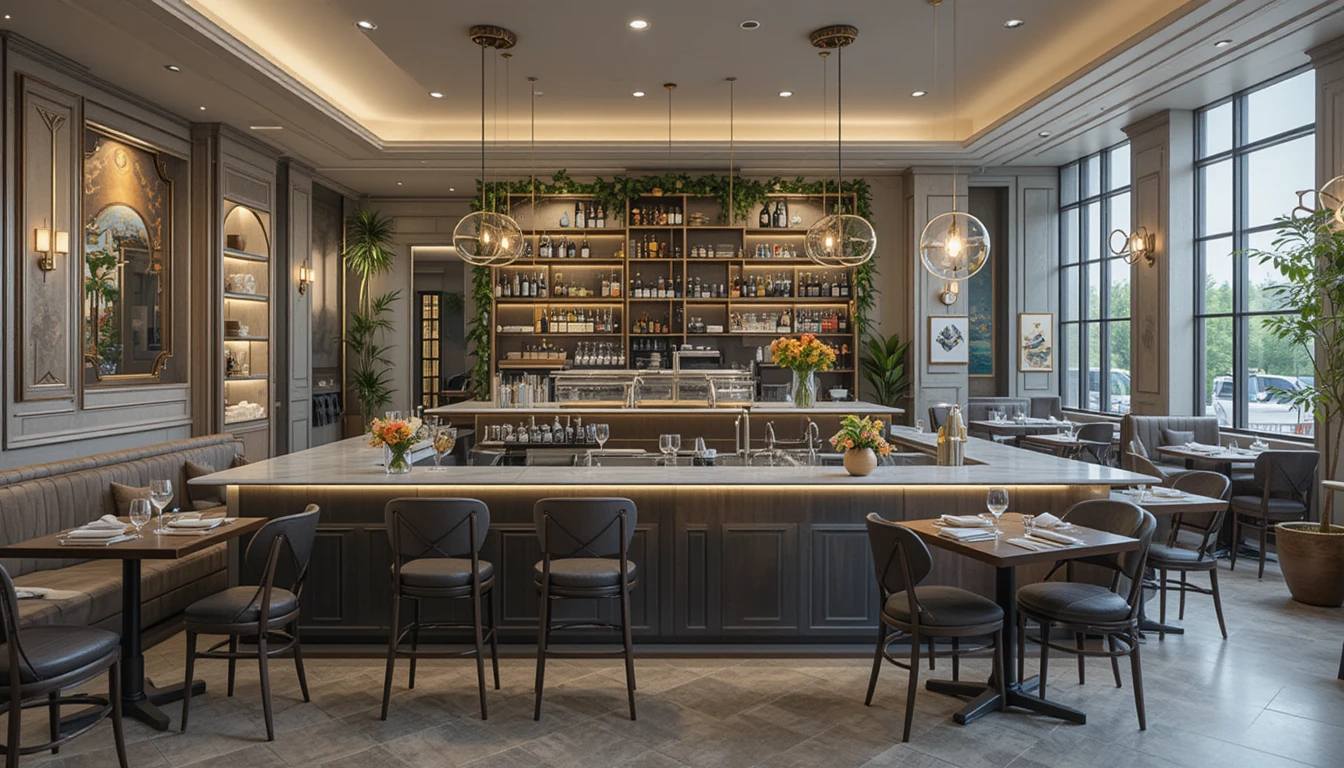
Good acoustics create a better dining experience. In a restaurant, excessive noise can make conversations difficult. Poor sound control affects customer comfort and staff communication.
Restaurants in Dallas, Texas, have different design layouts. Some spaces have high ceilings and hard surfaces that cause echoes. Others have open seating plans that amplify noise. Understanding how to manage sound helps improve customer satisfaction.
Understanding the Impact of Acoustics in a Restaurant
How Noise Affects Customers
Excessive noise makes dining uncomfortable. Customers struggle to hear conversations. Loud environments may cause diners to leave quickly, reducing customer retention.
A well-balanced sound level creates a welcoming atmosphere. Customers stay longer, enjoy their meals, and are more likely to return.
Effects on Staff Performance
Poor acoustics make it hard for staff to hear orders. Miscommunication can lead to mistakes. Employees may also experience stress from continuous noise.
A quieter environment improves focus. Staff can work efficiently without unnecessary distractions.
Identifying Common Sound Issues in Restaurants
Echoes and Reverberation
Hard surfaces reflect sound, creating echoes. Restaurants with tiled floors, glass walls, and metal furniture experience this issue.
Reverberation increases background noise. It makes voices sound unclear. Reducing reflections improves speech clarity.
Noise from Kitchen and Bar Areas
Open kitchens and bars add to noise levels. Sounds from cooking, dishwashing, and blending travel through the dining area.
Separating these spaces with sound-absorbing materials helps control noise. Barriers and partitions reduce sound transmission.
Crowd Noise and Background Music
Large groups and loud conversations raise overall noise levels. Background music can add to the problem if played too loudly.
Setting the right volume for music and spacing out tables properly help balance sound levels.
Solutions to Improve Restaurant Acoustics
Using Sound-Absorbing Materials
Soft materials absorb sound, reducing echoes. Installing acoustic panels, ceiling tiles, and fabric wall coverings helps manage noise.
Adding carpets or rugs to dining areas minimizes sound reflection. Upholstered furniture also absorbs sound better than metal or plastic chairs.
Optimizing Ceiling and Wall Treatments
High ceilings amplify sound. Lowering the ceiling with acoustic panels reduces noise spread. Ceiling baffles or hanging elements break up sound waves.
Wall-mounted acoustic panels prevent sound from bouncing. Textured surfaces like wood slats also help diffuse noise.
Arranging Furniture for Better Sound Control
Furniture placement affects how sound moves in a space. Spacing tables apart reduces noise buildup. Booth seating with high backs creates natural sound barriers.
Using bookshelves or decorative dividers helps separate noisy areas. Plants also absorb sound and improve the ambiance.
Managing Background Music and Speaker Placement
Background music should enhance the dining experience, not overpower conversations. Setting a moderate volume level prevents noise from becoming overwhelming.
Speakers should be positioned evenly throughout the restaurant. Placing them at the right height ensures sound is distributed properly.
Installing Acoustic Barriers for Open Spaces
Using Partitions and Screens
Restaurants with open layouts experience more noise. Installing partitions between dining sections helps control sound. Screens and decorative panels create separate zones.
Glass partitions with acoustic treatments reduce noise while maintaining visibility. This solution works well for open kitchens or bar areas.
Adding Curtains and Drapes
Heavy curtains help absorb sound, especially in restaurants with large windows or open entryways. By reducing sound reflection, drapes contribute to a more comfortable dining experience, preventing excessive noise from bouncing around the space. This is particularly important in busy dining establishments where maintaining a pleasant ambiance is key to customer satisfaction.
Thoughtful interior planning goes beyond aesthetics acoustic control plays a significant role in restaurant atmosphere. Elements like fabric blinds can further minimize outside noise, which is especially beneficial for restaurants near busy streets in Dallas. Businesses looking to create a perfect balance between style and functionality can benefit from restaurant design Dallas services, which incorporate strategic layout planning, soundproofing solutions, and aesthetic enhancements to craft inviting and enjoyable dining spaces.
Training Staff to Manage Noise Levels
Encouraging Controlled Conversations
Staff should speak at appropriate volumes. Training employees to avoid shouting improves the overall sound balance.
Waitstaff can also gently remind customers to keep noise levels comfortable. Managing large groups with proper seating arrangements prevents excessive noise.
Handling Peak Hours More Efficiently
Busy hours generate more noise. Organizing reservations and spreading out seating reduces congestion.
Using digital ordering systems minimizes verbal communication, helping to lower sound levels.
Choosing the Right Acoustic Design for New Restaurants
Planning Sound Management in Advance
New restaurant owners in Dallas should consider acoustics during the design phase. Choosing sound-absorbing materials early prevents future issues.
Architects and interior designers can integrate acoustic treatments into the layout. This ensures a balanced sound environment from the start.
Working with Acoustic Experts
Hiring professionals for sound evaluation helps identify problem areas. Acoustic consultants recommend solutions based on a restaurant’s size and layout.
Experts measure noise levels and suggest the best materials for sound control. Investing in proper acoustics enhances the overall dining experience.
Conclusion
Good acoustics improve customer comfort and staff efficiency. Reducing noise creates a pleasant dining atmosphere. Managing sound levels ensures customers enjoy their meals without distractions.
Using sound-absorbing materials, optimizing layouts, and training staff helps control noise. Restaurant owners in Dallas can enhance their spaces by implementing these strategies. A well-balanced acoustic environment leads to better customer satisfaction and business success.
 Every Thing Here