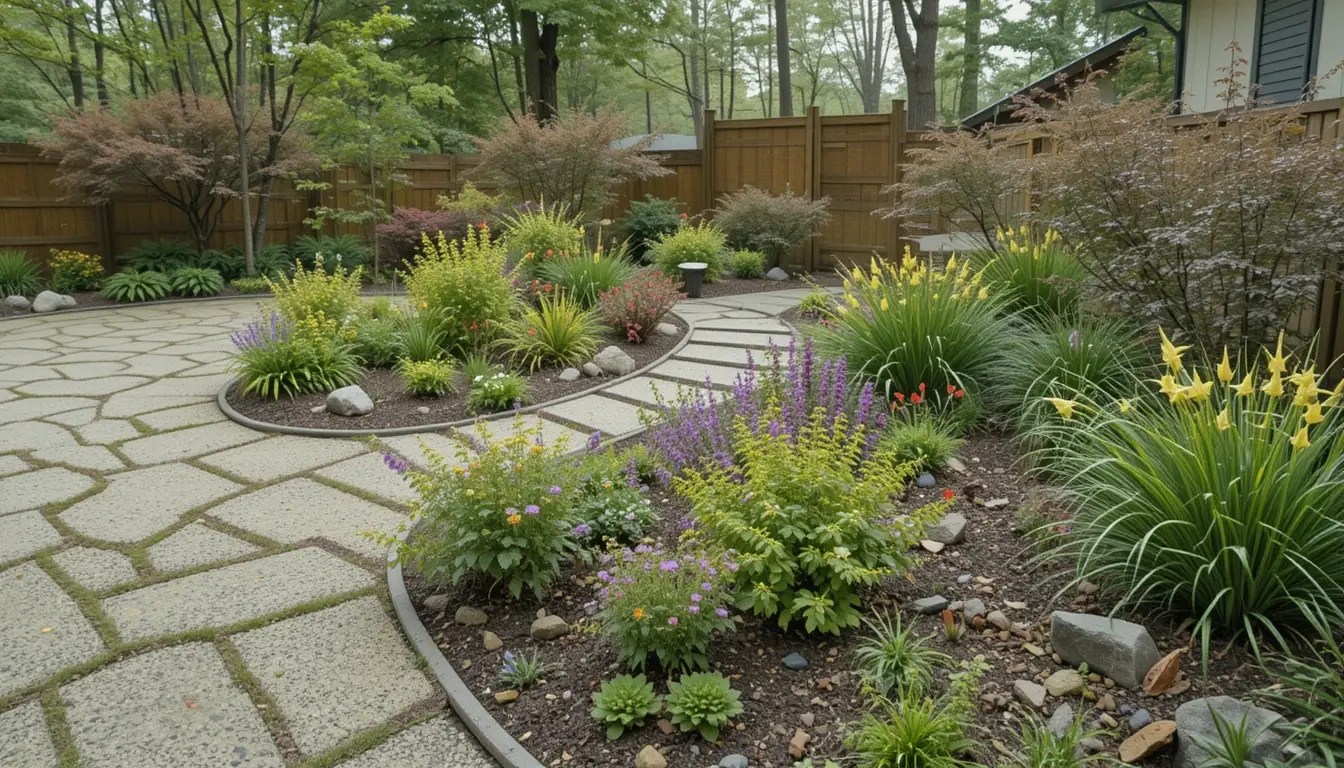
Landscaping adds value and beauty to homes. Homeowners in New York seek the best time to plant grass, shrubs, and trees. Proper timing helps plants grow strong and resist stress.
New York, Landscaping requires care and planning. Each season offers unique tasks for lawns and gardens. Knowing when to work on soil, plant new species, and prune existing growth helps projects succeed.
Seasonal Overview
Landscaping in New York follows the cycle of four seasons. Each season brings specific tasks and conditions. Homeowners should match their projects to local weather patterns.
Proper timing reduces plant loss and limits wasted effort. Planning by season lets gardeners prepare soil, order plants, and schedule labor.
Spring Landscaping
Spring brings warmer days and longer sunlight. Soil thaws and dries after winter. Gardeners can till soil, add compost, and plant cool‑weather crops.
Spring also offers rain that supports new growth. Homeowners can plant bulbs, perennials, and early vegetables. They can also aerate lawns and spread seed.
Summer Landscaping
Summer features hot days and strong sun. Plants need regular watering and shade. Gardeners should mulch beds to retain moisture.
Summer also suits planting heat‑tolerant species. Homeowners can add annual flowers and summer vegetables. They can prune shrubs after flowering to shape growth.
Fall Landscaping
Fall brings cooler air and falling leaves. Soil remains warm enough for root growth. Gardeners can plant trees and shrubs before winter.
Fall also offers low stress for new plants. Homeowners can aerate lawns and apply fertilizer. They can clear leaves and prepare beds for spring.
Winter Landscaping
Winter brings cold, snow, and frozen ground. Most planting stops until spring. Gardeners can plan projects and order supplies.
Winter also suits pruning of dormant trees and shrubs. Homeowners can protect young plants with mulch or burlap. They can maintain tools and clean irrigation systems.
Soil and Planting Considerations
Soil quality plays a critical role in determining plant health, root development, and overall garden success. Homeowners are encouraged to test their soil for pH levels and essential nutrients before planting. Adjustments like adding lime to raise the pH or sulfur to lower it can make a significant difference in how well plants absorb nutrients. A balanced soil environment supports stronger, more resilient plant growth throughout the seasons.
In more complex landscaping projects, working with a knowledgeable landscaping consultant can be highly beneficial. These professionals assess soil conditions, drainage patterns, and plant compatibility to create sustainable and visually appealing outdoor spaces. Gardeners can also benefit from enriching their soil with compost or aged manure, which improves structure and retains moisture. Mixing organic matter into the topsoil before planting enhances aeration and encourages healthy microbial activity, key elements for vibrant, thriving gardens.
Plant Selection and Timing
Choosing the right plant at the right time boosts success. Homeowners should pick native or well‑adapted species. They can also select plants by bloom time and water needs.
Gardeners can follow this list for planting times:
- Early spring for cool‑season flowers and vegetables.
- Late spring for most shrubs and perennials.
- Early summer for heat‑tolerant annuals.
- Early fall for trees, shrubs, and cool‑season lawns.
This schedule helps match plant needs to local conditions and reduce losses.
Maintenance Scheduling
Regular maintenance keeps landscapes healthy. Homeowners should mow lawns weekly in spring and summer. They can reduce mowing in fall as growth slows.
Gardeners should water plants early in the morning. They can adjust watering as rainfall changes. They should also prune dead or diseased branches as they appear.
Local Climate and Weather Patterns
New York climate varies by region and elevation. Coastal areas see milder winters and more rain. Inland areas face colder winters and more snow.
Homeowners should check local frost dates. They can use those dates to plan planting and removal of frost‑sensitive plants.
Conclusion
Landscaping in New York requires season‑based planning and care. Homeowners should match planting and maintenance to local weather. They can improve success by testing soil, selecting proper plants, and following seasonal tasks.
By working with the cycle of spring, summer, fall, and winter, gardeners can create vibrant and lasting landscapes. New York, Landscaping projects thrive when homeowners plan with the seasons.
 Every Thing Here