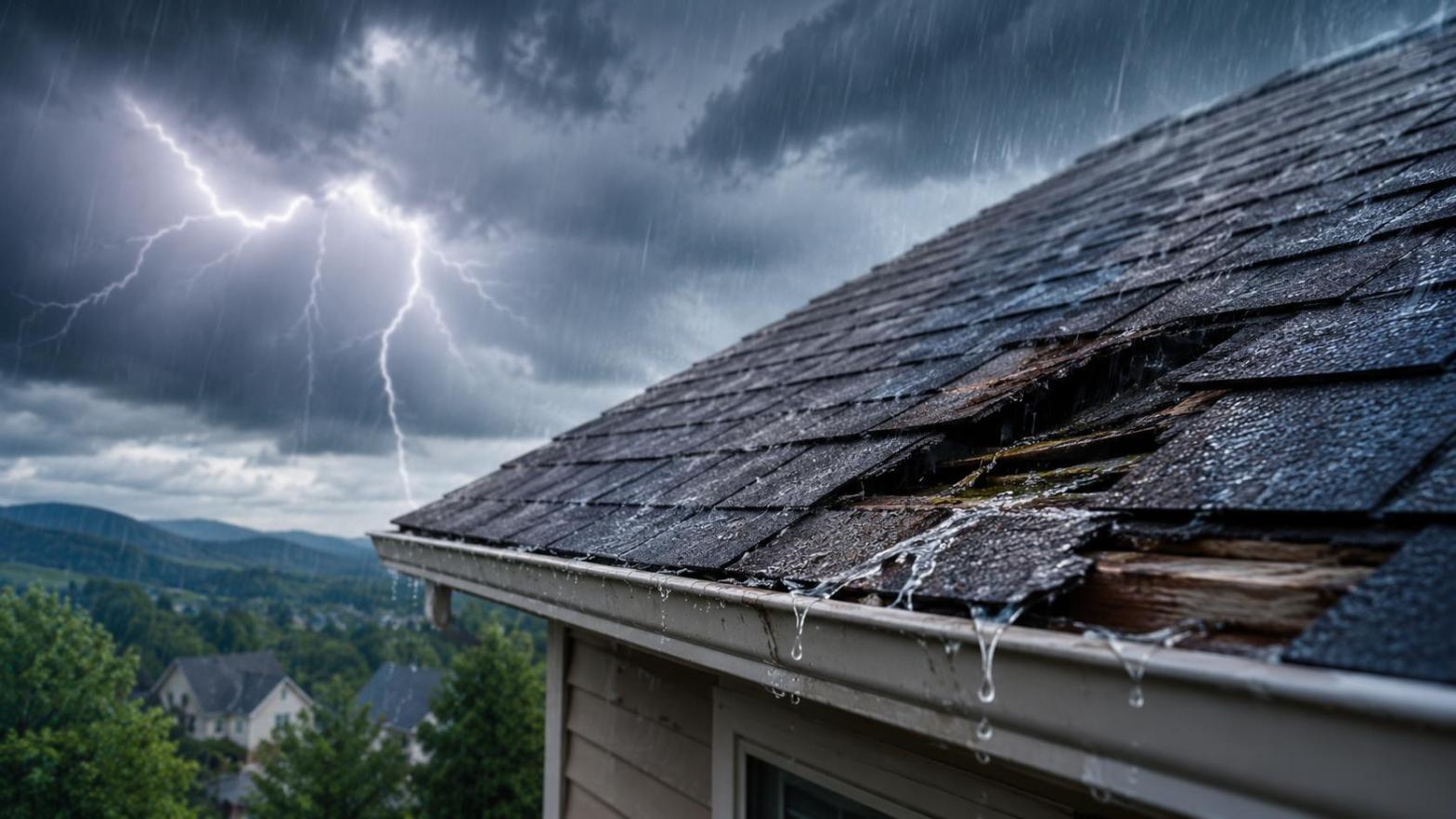
Roof leaks often appear after strong storms in Greeneville. Heavy rain, strong wind, hail, and falling debris can damage roofing materials. Many homeowners notice water stains, damp ceilings, or dripping water after a storm passes. These signs often point to hidden roof damage that needs attention.
A roof protects a home from weather conditions throughout the year. Storms place extra pressure on roofing systems and can weaken important parts of the structure. Understanding why Roof Leaks occur after storms can help homeowners protect their property and maintain good Roof Health.
How Greeneville Storms Affect Roofing Systems
Greeneville experiences storms that bring heavy rainfall, strong wind gusts, and occasional hail. These weather events can damage roofing materials in several ways. Wind can lift shingles and expose the underlayment beneath them. Rainwater can then enter through these openings and reach the interior of the home.
Storms can also loosen flashing around chimneys, vents, and skylights. Once flashing shifts from its original position, water can move through small gaps and enter the structure. Even minor storm damage can create conditions that lead to roof leaks over time.
Many homeowners do not notice storm-related damage immediately. Water may enter small openings and travel through the roof structure before visible signs appear inside the home. This delay often allows damage to grow before repairs begin.
Wind Damage Creates Openings for Water
Strong winds remain one of the leading causes of Roof Leaks after storms. Wind can lift, bend, or remove shingles from the roof surface. Missing shingles leave the roof vulnerable to rain and moisture.
Once wind damages roofing materials, water can enter exposed areas. Moisture can soak the roof deck and insulation. Over time, this moisture weakens structural components and creates larger repair needs.
Wind damage may appear small from ground level. However, a professional inspection often reveals hidden issues that homeowners cannot easily see. Early detection helps preserve Roof Health and prevents additional damage.
Loose Shingles Increase Leak Risks
Shingles create a protective barrier against rainwater. Storm winds can loosen shingle edges and break their seals. Water can then move beneath the shingles and reach underlying materials.
Repeated exposure to moisture can cause wood rot, mold growth, and insulation damage. These issues often increase repair costs and reduce the lifespan of the roofing system.
Regular inspections after major storms help identify loose shingles before they become serious leak sources.
Heavy Rainfall Exposes Weak Areas
Heavy rainfall often reveals roofing weaknesses that existed before the storm. Small cracks, worn seals, and aging materials may allow water to enter during periods of intense rain.
A roof may perform well during light rain but fail when large amounts of water collect on the surface. Storm conditions place greater pressure on vulnerable areas and increase the chance of leaks.
Greeneville homeowners often discover leaks around roof penetrations such as vents, skylights, and chimneys. These areas require secure sealing to prevent water intrusion.
Poor Drainage Leads to Water Problems
Water should move off the roof quickly through gutters and downspouts. Storm debris can block drainage systems and cause water to pool on the roof.
Standing water increases the risk of leaks and material deterioration. Prolonged moisture exposure can weaken roofing components and shorten their service life.
Proper drainage supports Roof Health by directing water away from the roof structure and foundation.
Hail Damage Can Create Hidden Roof Leaks
Hail can damage roofing materials even when the impact marks seem small. Hailstones strike shingles with force and may crack protective surfaces. These damaged areas become entry points for water.
Some hail damage remains difficult to identify without a close inspection. Homeowners may not notice problems until water stains appear inside the home weeks or months later.
Professional inspections after hailstorms help identify damage before leaks become severe. Early repairs often prevent more extensive restoration work.
Granule Loss Reduces Roof Protection
Many shingles contain protective granules that shield roofing materials from weather exposure. Hail impact can remove these granules and leave shingles vulnerable.
Without adequate granule coverage, shingles deteriorate faster under sunlight and moisture. This deterioration increases the chance of roof leaks during future storms.
Maintaining shingle condition remains an important part of protecting Roof Health.
Falling Tree Branches Cause Roof Damage
Storm winds can break tree branches and send them onto rooftops. Even smaller branches can crack shingles, damage flashing, or puncture roofing materials.
Larger branches may create immediate openings that allow water to enter the home. In some cases, homeowners notice the damage right away. In other situations, hidden structural damage develops beneath the surface.
Trees near the home require regular maintenance to reduce storm-related roofing risks. Trimming weak or overhanging branches helps prevent unnecessary damage.
Clogged Gutters Increase Leak Risks
Gutters play an important role in protecting roofing systems. During storms, gutters collect and direct water away from the home. When gutters become clogged with leaves, dirt, and debris, water cannot flow properly.
Overflowing water can back up beneath shingles and enter vulnerable areas of the roof. Moisture can also damage fascia boards and exterior walls.
Many homeowners overlook gutter maintenance until problems appear. Routine cleaning helps reduce the risk of Roof Leaks and supports long-term Roof Health.
Roof Cleaning Helps Prevent Water Damage
Roof Cleaning removes debris that traps moisture on roofing surfaces. Leaves, branches, and dirt can hold water against shingles, which may lead to premature deterioration and reduce the lifespan of roofing materials.
Routine maintenance, including Roof Cleaning Greeneville services, helps keep drainage paths clear and prevents organic buildup from causing long-term moisture-related issues. A clean roof allows rainwater to flow properly after storms and provides a clearer view of areas that may require attention.
Regular Roof Cleaning supports the condition of the roofing system, lowers the risk of leaks, and helps homeowners protect their investment. It also improves the overall appearance of the property while contributing to the roof’s long-term performance.
Aging Roofs Face Greater Storm Challenges
Older roofing systems often struggle to withstand severe weather conditions. Materials naturally weaken over time due to sun exposure, temperature changes, and moisture.
Storms can accelerate existing wear and expose hidden weaknesses. Older shingles may crack more easily during wind events. Sealants may lose effectiveness and allow water intrusion.
Homeowners with aging roofs should schedule inspections after major storms. Early maintenance can prevent small issues from becoming major leaks.
Regular Maintenance Extends Roof Life
Preventive maintenance remains one of the best ways to protect a roof from storm damage. Inspections help identify worn materials before storms expose them.
Replacing damaged shingles, repairing flashing, and maintaining gutters support strong Roof Health. These actions reduce leak risks and improve roof performance during severe weather.
Routine maintenance often costs less than major repairs caused by neglected damage.
Warning Signs of Storm-Related Roof Leaks
Homeowners should watch for signs that indicate roof damage after storms. Water stains on ceilings often signal moisture intrusion. Peeling paint and damp walls may also point to hidden leaks.
Musty odors can indicate trapped moisture inside the structure. Missing shingles, damaged flashing, and granule accumulation in gutters may suggest roofing problems.
Addressing these warning signs quickly helps limit damage and repair costs. Delayed action often allows moisture to spread through insulation, wood framing, and interior finishes.
Why Professional Inspections Matter After Storms
A professional inspection helps identify damage that homeowners may overlook. Roofing experts examine shingles, flashing, gutters, and other critical components.
Inspections provide a clear understanding of roof condition after severe weather. They also help homeowners prioritize repairs before leaks worsen.
Many roofing issues remain hidden until significant water damage appears. Professional assessments support proactive maintenance and help preserve Roof Health throughout the year.
Conclusion
Roof Leaks are common after Greeneville storms because severe weather places stress on every part of a roofing system. Wind can loosen shingles, heavy rain can expose weak areas, hail can damage protective surfaces, and debris can create openings for water intrusion.
Homeowners can reduce these risks through regular inspections, prompt repairs, proper Roof Cleaning, and ongoing maintenance. These steps support strong Roof Health and help roofing systems perform effectively during future storms. A well-maintained roof provides better protection, reduces repair costs, and helps keep homes safe after severe weather events in Greeneville.
 Every Thing Here