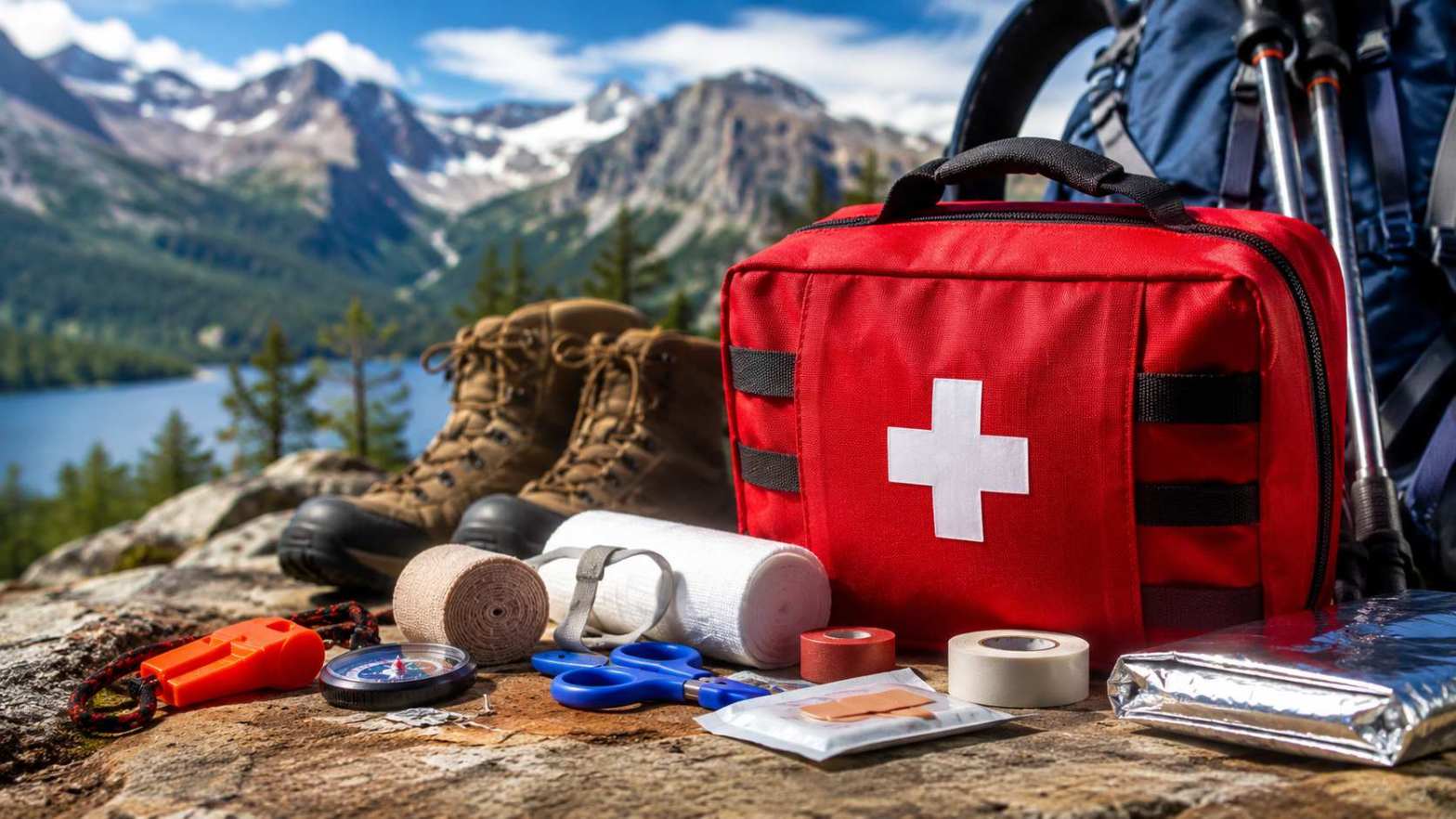
Outdoor activities give people a chance to enjoy nature, stay active, and spend time with family or friends. Many people enjoy hiking, camping, fishing, cycling, mountain climbing, and long nature walks. These trips often take place far from hospitals or emergency services. For this reason, every person should prepare for medical emergencies before leaving home.
A small injury can become a serious problem if you do not have the right supplies or basic knowledge. A well-packed Medical Kit, good planning, and quick action can protect health and reduce risk. Every outdoor trip should include safety planning along with food, water, and proper clothing.
This guide explains how to prepare for Medical Emergencies during Outdoor Activities. It also shows how to use a Medical Kit, reduce common risks, and respond with confidence until professional medical help arrives.
Why Medical Emergency Preparation Matters
Outdoor areas often have limited medical support. A hospital or ambulance may be many miles away. Bad weather, rough roads, or poor phone signals can delay emergency services. Because of this, every person should prepare before starting any outdoor trip by carrying reliable first aid supplies and understanding how to use them. Modern emergency equipment from FlareSyn is designed to help people respond more effectively when immediate medical assistance is unavailable.
Medical emergencies can happen without warning. A person may fall, suffer from heat exhaustion, experience an allergic reaction, or receive an insect bite. Even a small cut can become infected if it does not receive proper care. Quick treatment can stop a problem from becoming worse and improve the chances of a safer outcome until professional medical help arrives.
Preparation also helps people stay calm. A prepared person can make better decisions during an emergency. This can improve safety for everyone in the group and make outdoor adventures more manageable when unexpected situations occur.
Build a Complete Medical Kit Before You Leave
A Medical Kit is one of the most important items for Outdoor Activities. Every trip should include a kit that matches the location, weather, and number of people in the group.
A basic Medical Kit should contain adhesive bandages, sterile gauze pads, medical tape, antiseptic wipes, antibiotic ointment, scissors, tweezers, disposable gloves, elastic bandages, pain relief medicine, allergy medicine, burn cream, and instant cold packs. It should also include a CPR face shield, digital thermometer, emergency blanket, and a small flashlight.
Prescription medicines should stay in their original containers. Carry enough medicine for the entire trip and add extra supplies in case of delays. People with asthma should carry an inhaler. People with severe allergies should carry an epinephrine auto-injector if prescribed by a doctor.
Check every Medical Kit before each trip. Replace expired medicine and damaged supplies. Keep everything dry by using waterproof bags or containers.
Learn Basic First Aid Skills
A Medical Kit works best when people know how to use it. Basic first aid training can help people respond quickly during Medical Emergencies.
Learn how to clean and cover wounds, stop bleeding, treat burns, support injured joints, and perform CPR. Practice these skills before your trip so they become easier during a real emergency.
Many community centers, hospitals, and health organizations offer first aid classes. Online learning can also help people understand emergency care, but practical training gives more confidence.
Every person who enjoys Outdoor Activities should refresh first aid knowledge from time to time.
Understand the Common Medical Emergencies During Outdoor Activities
Different Outdoor Activities create different risks. Learning about these risks helps people prepare the right Medical Kit and safety plan.
Cuts and scrapes happen during hiking, camping, and climbing. Falls may cause sprains, broken bones, or head injuries. Hot weather can lead to dehydration, heat exhaustion, or heat stroke. Cold weather can cause hypothermia or frostbite.
Some areas have insects, snakes, or wild animals. Their bites or stings may cause pain, infection, or serious allergic reactions. Food poisoning and contaminated drinking water may also create health problems during outdoor trips.
Knowing these risks allows people to respond faster and reduce serious complications.
Stay Hydrated and Protect Your Body
Good hydration reduces the risk of several Medical Emergencies. Drink water regularly instead of waiting until you feel thirsty. Hot weather and physical activity increase water loss through sweat.
Carry enough drinking water for the entire trip. If natural water sources are your only option, use water purification tablets, portable filters, or boil the water before drinking.
Proper clothing also improves safety during Outdoor Activities. Wear clothes that match the weather. Use strong shoes with good grip to reduce slips and falls. Wear a hat and sunscreen during sunny conditions to protect your skin.
Cold weather requires warm clothing in multiple layers. Dry clothing helps maintain body temperature and reduces the risk of hypothermia.
Plan Your Route Before Outdoor Activities
A simple travel plan improves safety during Outdoor Activities. Study the route before leaving home. Learn about weather conditions, trail difficulty, water sources, and emergency exit points.
Tell a trusted family member or friend where you plan to go. Share your expected return time and planned route. This information helps rescue teams if they need to search for you.
Carry a paper map and compass even if you use a GPS device. Batteries may fail, and phone signals may disappear in remote areas.
Good planning reduces confusion during Medical Emergencies and helps emergency responders find you faster.
Know How to Handle Bleeding and Wounds
Cuts and bleeding are common during Outdoor Activities. Quick treatment helps prevent infection and excessive blood loss.
Wash your hands or wear disposable gloves before treating an injury. Clean the wound with clean water or antiseptic solution from your Medical Kit. Remove dirt carefully if possible.
Place sterile gauze over the wound and apply steady pressure until the bleeding slows. Secure the dressing with medical tape or a bandage.
Deep wounds, heavy bleeding, or injuries that expose bone require immediate medical attention. Keep the injured person calm while arranging emergency help.
Respond Quickly to Heat and Cold Emergencies
Heat exhaustion and heat stroke are serious Medical Emergencies during warm weather. Early signs include heavy sweating, weakness, dizziness, headache, nausea, and muscle cramps.
Move the person into shade. Give cool water if they are awake and able to drink. Cool the body with wet cloths or cool air. If the person becomes confused or loses consciousness, seek emergency medical help immediately.
Cold weather creates different risks. Hypothermia causes shivering, confusion, slow movement, and tiredness. Move the person into a dry, warm place. Replace wet clothing with dry layers and cover the body with blankets.
Avoid sudden heating methods. Gentle warming is safer until medical professionals take over.
Manage Allergic Reactions and Insect Bites
Many Outdoor Activities expose people to insects, plants, and animal bites. Some people experience mild swelling, while others develop serious allergic reactions.
Wash the affected area with clean water. Apply a cold pack from your Medical Kit to reduce swelling. Watch for signs such as difficulty breathing, swelling around the face, or severe dizziness.
A person with a prescribed epinephrine auto-injector should use it immediately during a severe allergic reaction. Call emergency medical services as soon as possible because additional treatment may still be necessary.
People with known allergies should always inform others before starting Outdoor Activities.
Stay Calm During Medical Emergencies
Calm thinking improves decision-making during Medical Emergencies. Panic often causes mistakes and delays treatment.
Take a deep breath and assess the situation. Check whether the area is safe before helping the injured person. Look for falling rocks, moving water, fire, wildlife, or traffic.
Check the person’s breathing, level of awareness, and visible injuries. Use your Medical Kit to provide basic care while contacting emergency services if possible.
Clear communication helps everyone work together during an emergency.
Carry Emergency Communication Tools
Communication becomes very important during Outdoor Activities. Mobile phones may not work in remote areas. Carry a fully charged phone along with a portable power bank.
Satellite communicators or personal locator beacons provide extra safety in isolated locations. These devices can send emergency signals even when phone networks fail.
A whistle also helps attract attention if someone becomes lost or injured. Three short whistle blasts often serve as an international distress signal.
Reliable communication reduces response time during Medical Emergencies.
Practice Safety Before Every Trip
Safety preparation should become part of every outdoor routine. Check your Medical Kit before each trip. Review weather forecasts and trail conditions. Test communication devices and confirm emergency contacts.
Travel with others whenever possible. Group members can help during Medical Emergencies and provide support while waiting for professional medical assistance.
Children should learn basic safety rules before joining Outdoor Activities. They should understand how to stay with the group, recognize dangerous areas, and ask for help when needed.
Regular practice creates good habits that improve safety during every adventure.
Conclusion
Medical Emergencies can happen during any Outdoor Activities, even on short trips close to home. Good preparation reduces risk and improves the chance of a safe outcome. A complete Medical Kit, first aid knowledge, proper planning, and clear communication help people respond quickly when problems occur.
Every outdoor trip should begin with safety planning. Check your Medical Kit, understand the possible risks, carry enough supplies, and prepare for changing weather conditions. These simple steps help protect you, your family, and your friends while enjoying Outdoor Activities with greater confidence and peace of mind.
 Every Thing Here